Choosing within this department
Wheel, spoke & truing tools
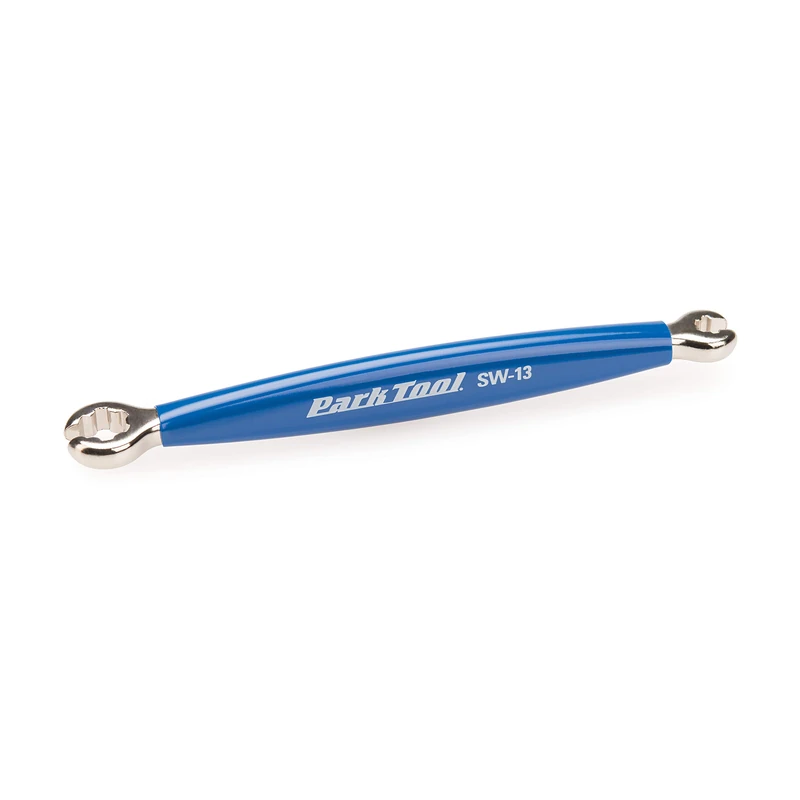
A wheel can need a runout check, a centering check or a spoke-tension measurement. Those are different questions, with different tools. Choose the measurement first, then match the wheel support, axle arrangement and spoke or nipple contact. Add a wrench or holder only when its actual profile fits the component.
Choose the question you need the tool to answer
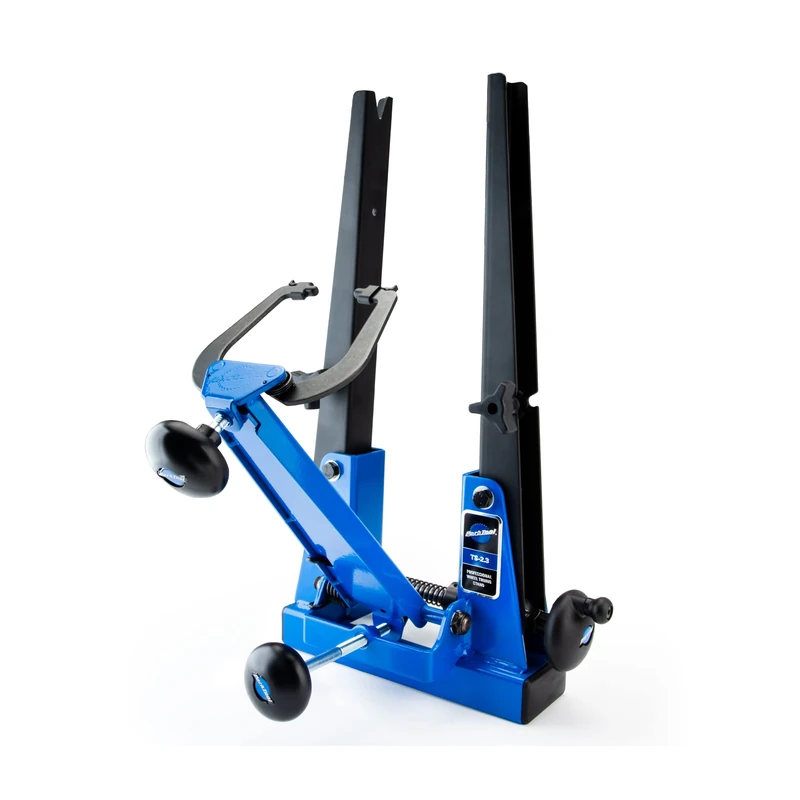
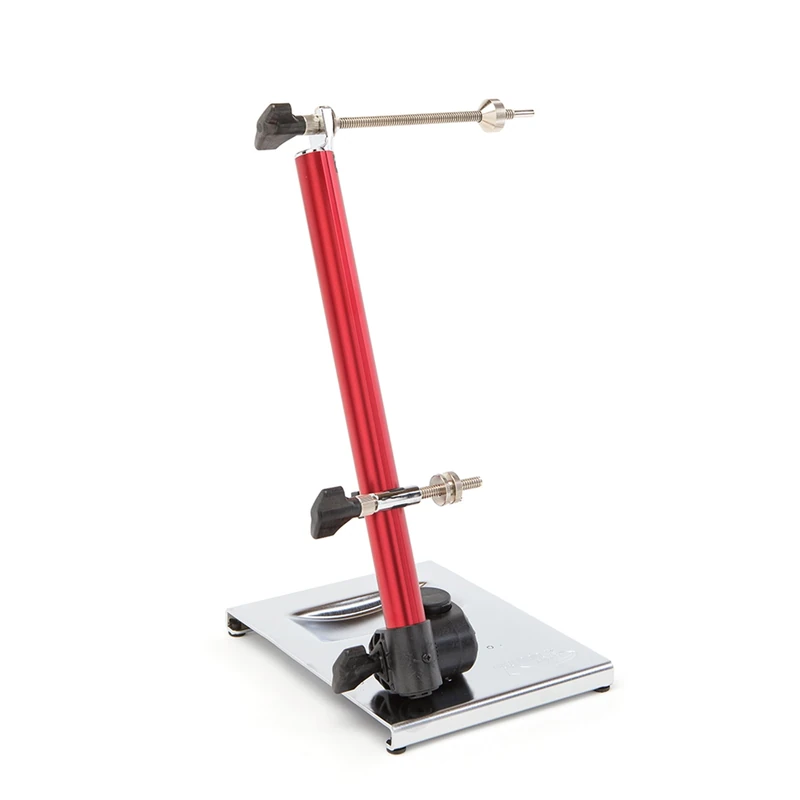
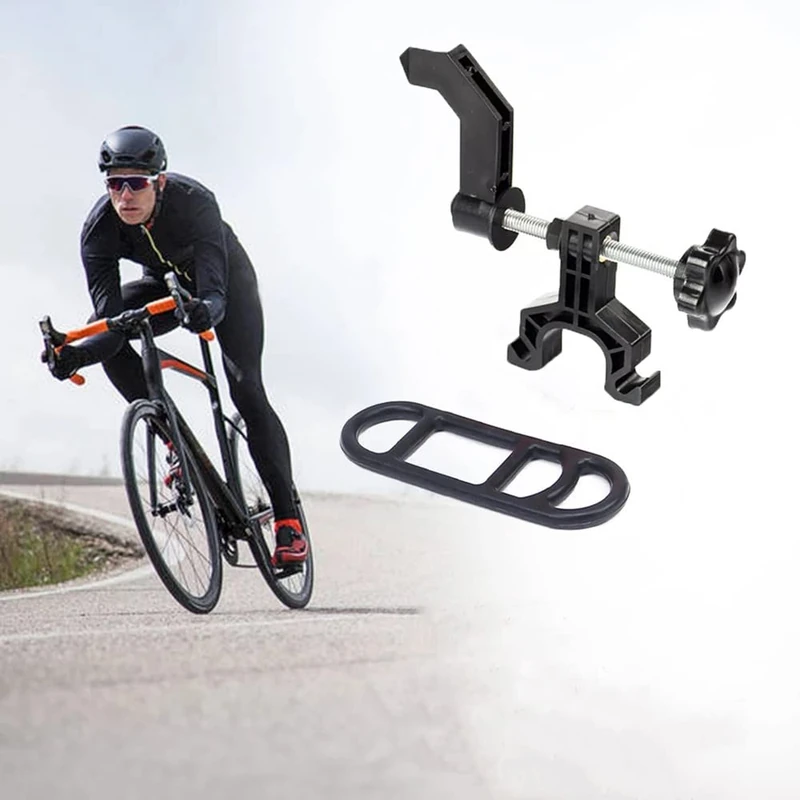
A truing stand provides a supported reference for wheel runout. TS-2.3 and the Feedback Pro Truing Stand use different support arrangements; compare the axle, wheel and accessory requirements on their individual pages. Catorlen 1254 is an on-bike indicator, useful to compare when retaining the wheel in the bicycle matters more than buying a separate stand.
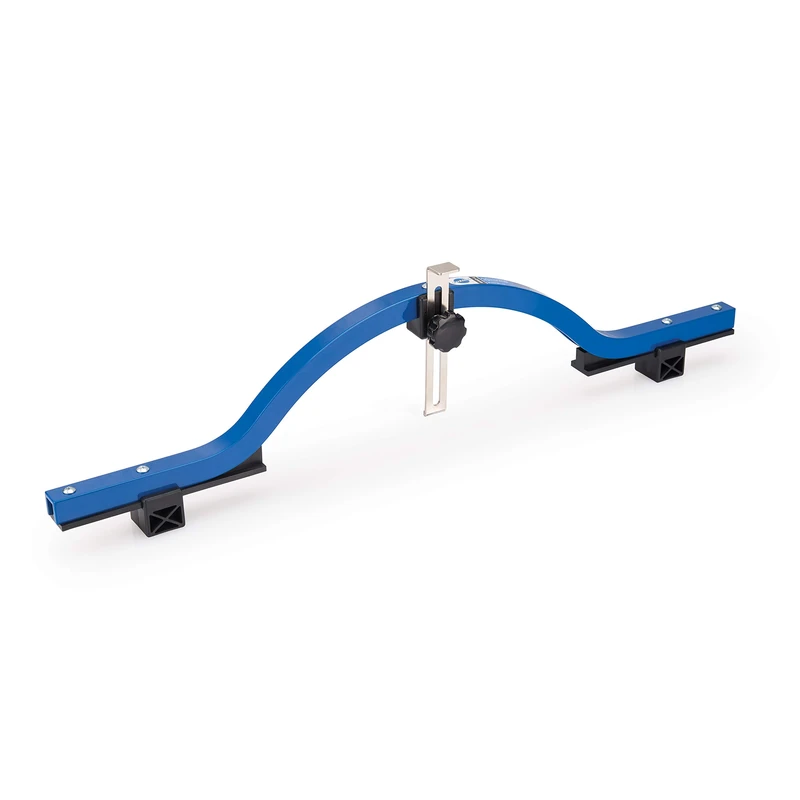
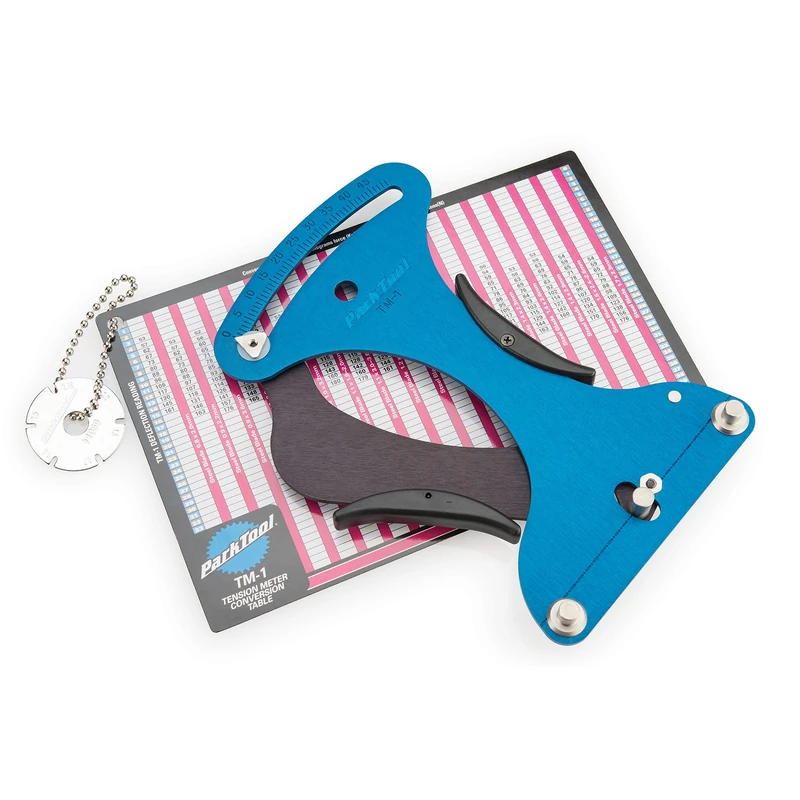
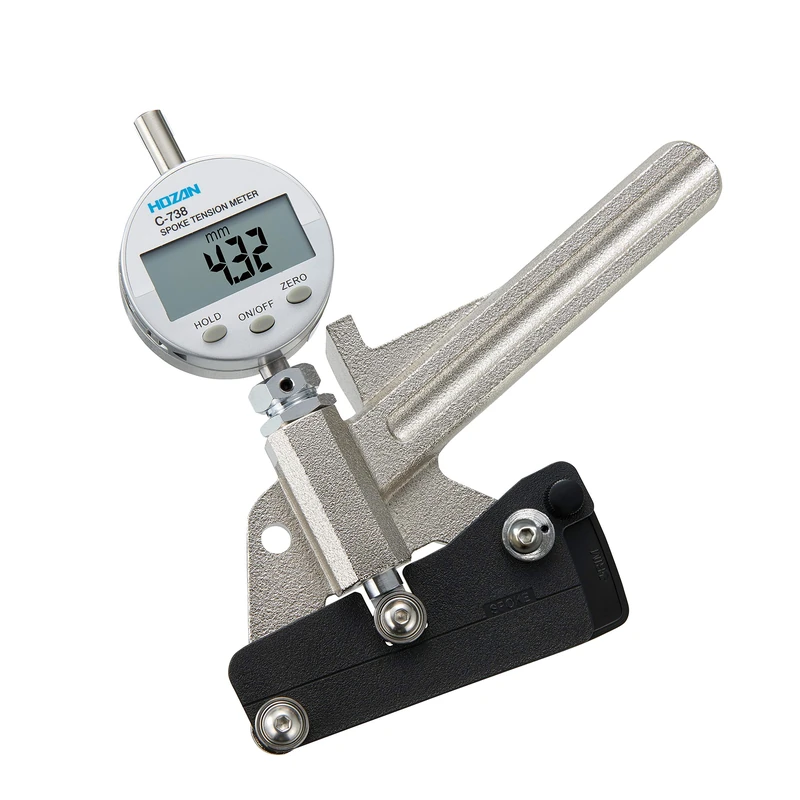
WAG-4 checks dish: the rim’s position relative to the wheel’s axle references. TM-1 and HOZAN C-738 address spoke tension. A runout indicator does not provide a numerical tension reading, and a tension meter does not establish that the rim is centered over the hub.
Choose Wheel Tools for Runout, Dish and Spoke Tension ↗
Compare the reading and conversion process
TM-1 supplies a scale reading that is converted using the appropriate spoke data. HOZAN C-738 provides a digital deflection reading used with its matching conversion information. Choose the arrangement you can apply to the actual spoke material and section; neither display should be read as a universal tension value without that match.
The wheel or spoke maker’s target and limits remain separate from the instrument reading. A numerical display is useful only when the selected spoke data and measuring method are appropriate. Do not buy a tension meter on display style alone.
Choose Wheel Tools for Runout, Dish and Spoke Tension ↗
Keep identification and tire handling distinct
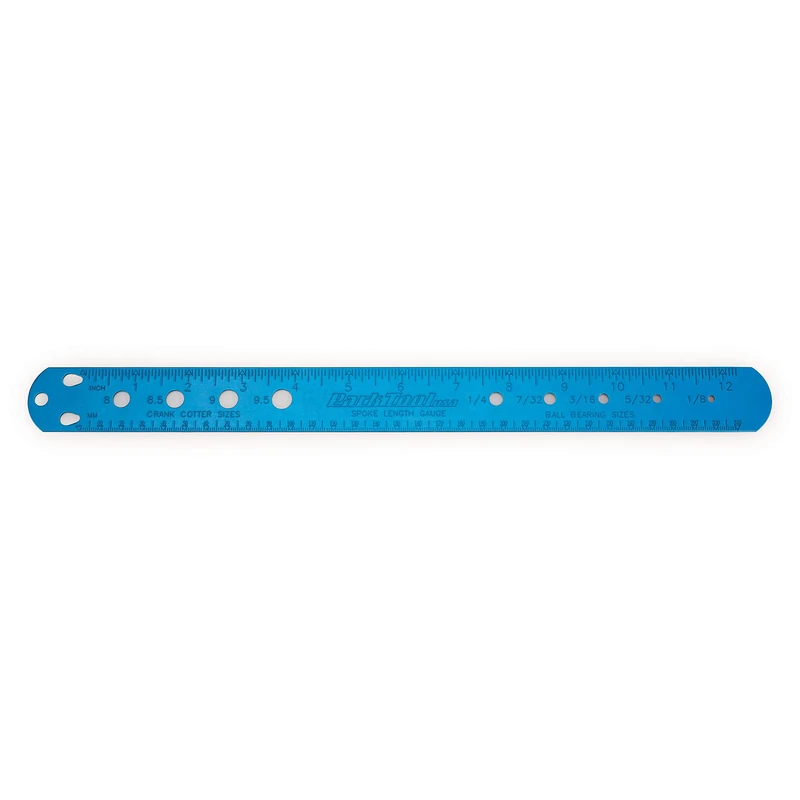
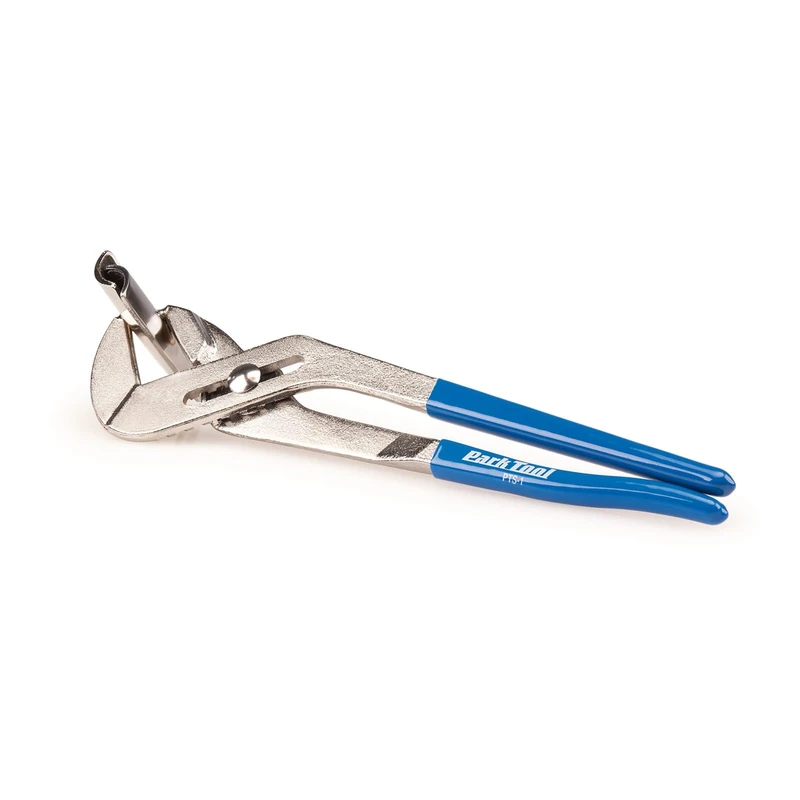
SBC-1 helps identify supported spoke, bearing and cotter dimensions. Use it for the dimensions it actually measures, rather than expecting it to tension a spoke. PTS-1 addresses supported tire-seating work and is a separate choice from wheel truing.
Before adding equipment, check which measurement or contact is missing from your existing setup. A stand, dish gauge and tension meter can provide complementary information; three tools with similar workshop names do not automatically duplicate one another.
Choose Wheel Tools for Runout, Dish and Spoke Tension ↗
Questions before you choose
Can a truing stand tell me whether the spoke tension is correct?
Not by itself. Runout and spoke tension are different measurements. Use a suitable tension meter, the matching spoke conversion and the component maker’s applicable guidance.
When does a dishing gauge add information?
When you need to check the rim position relative to the wheel’s axle references. That is a separate check from observing lateral runout.
Are SW-2 and SW-40 interchangeable upgrades?
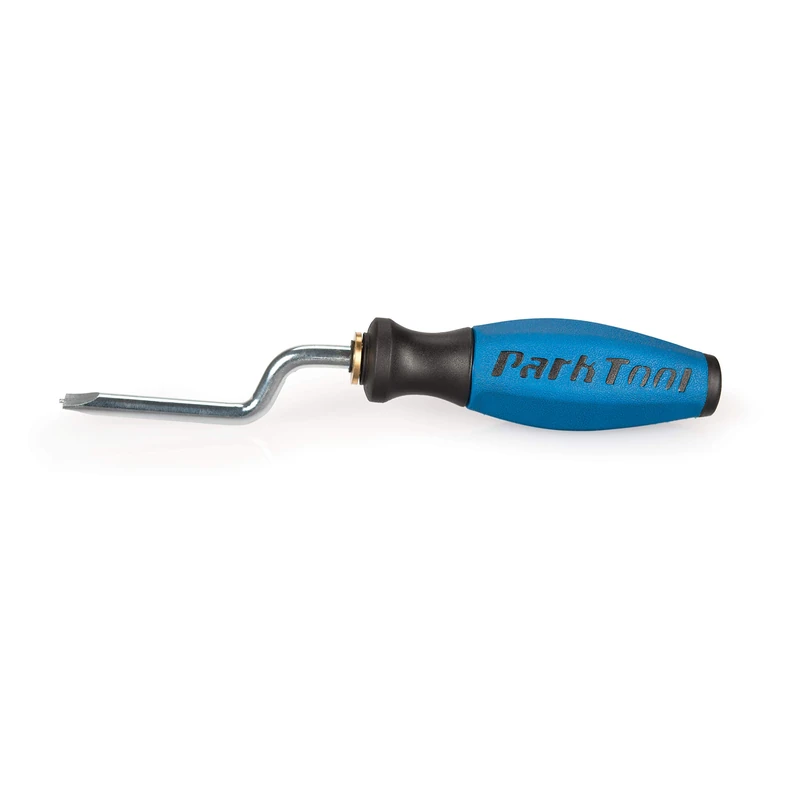
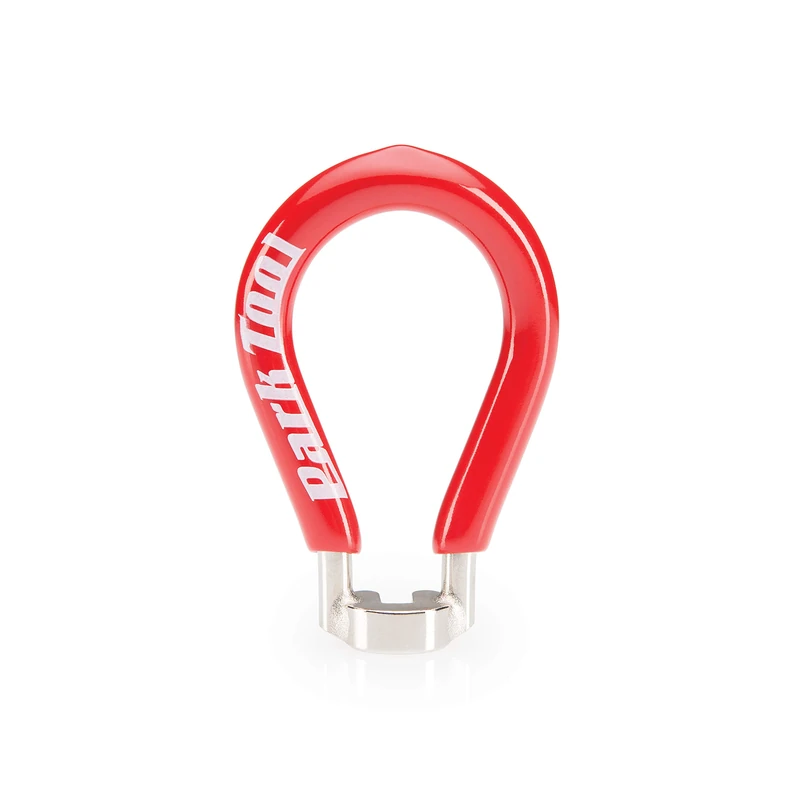
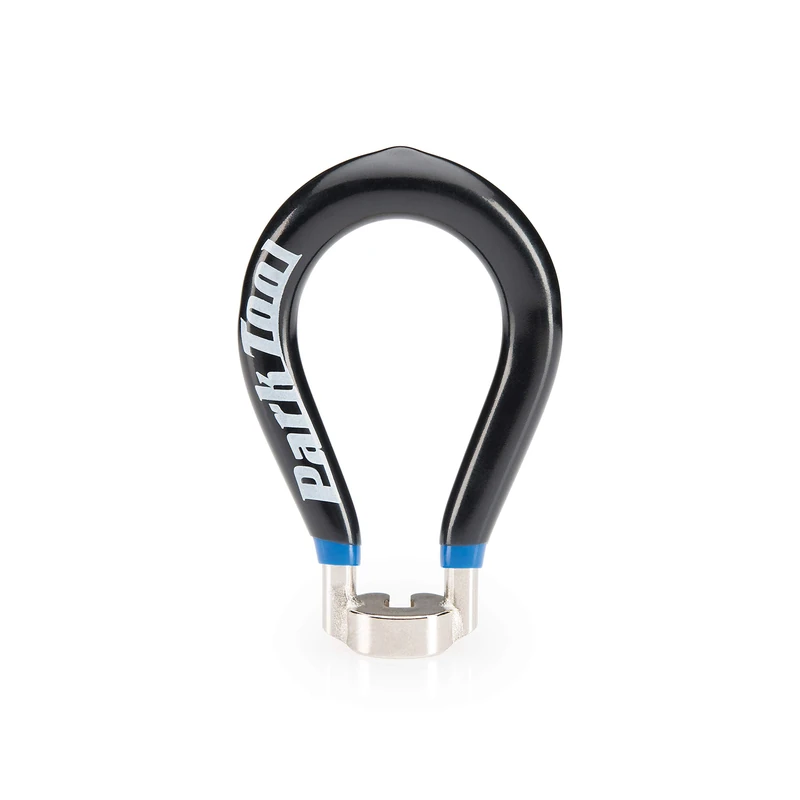
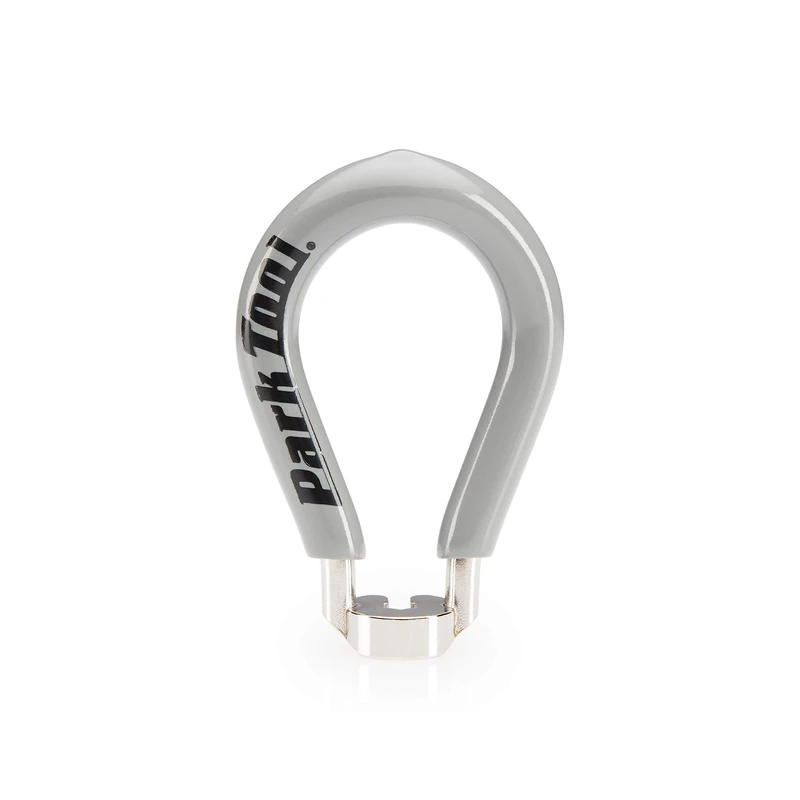
Their selected working sizes differ: SW-2 is 3.45 mm and SW-40 is 3.23 mm with four-sided engagement. Match the nipple before comparing the construction.
What should I compare for a bladed spoke that turns with the nipple?
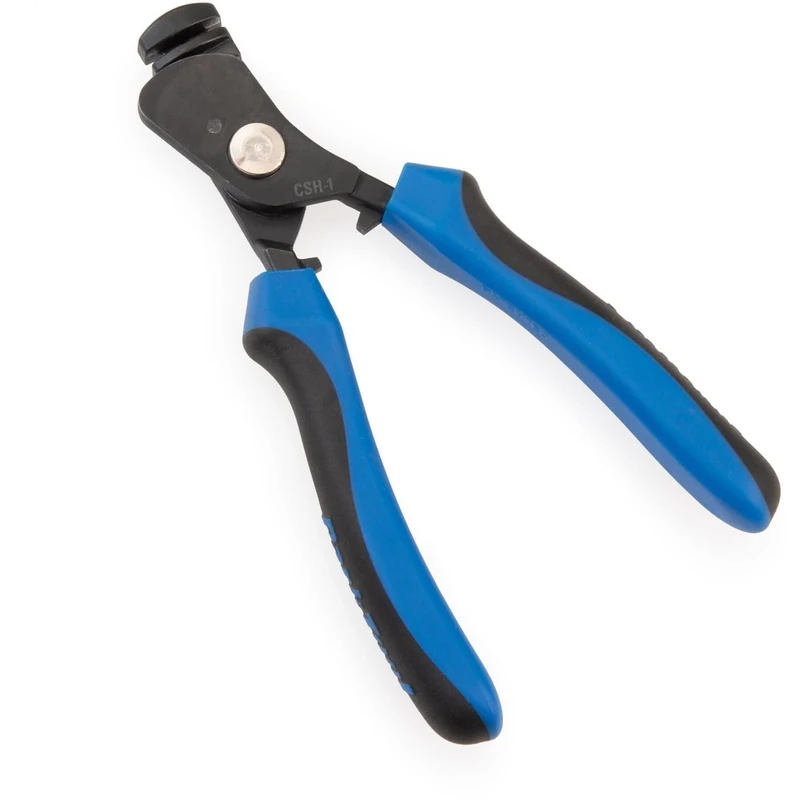
Compare a spoke holder such as CSH-1 within its actual contact scope, alongside the correct nipple wrench. A holder restrains rotation rather than replacing the wrench.
Continue your selection
Compare the exact component and selected offer with its maker’s requirements. These are buying comparisons, not a hands-on repair test.