Choosing within this department
Bearing, headset & hub tools
Headset and hub service brings together removal, pressing, support and adjustment. Buy for the exact operation and contact surface. A remover is not an installation press, and a press with a long shaft may still need separate system-specific contacts. These distinctions help you build a useful setup without assuming that one large kit covers every bearing.
Identify the part being removed
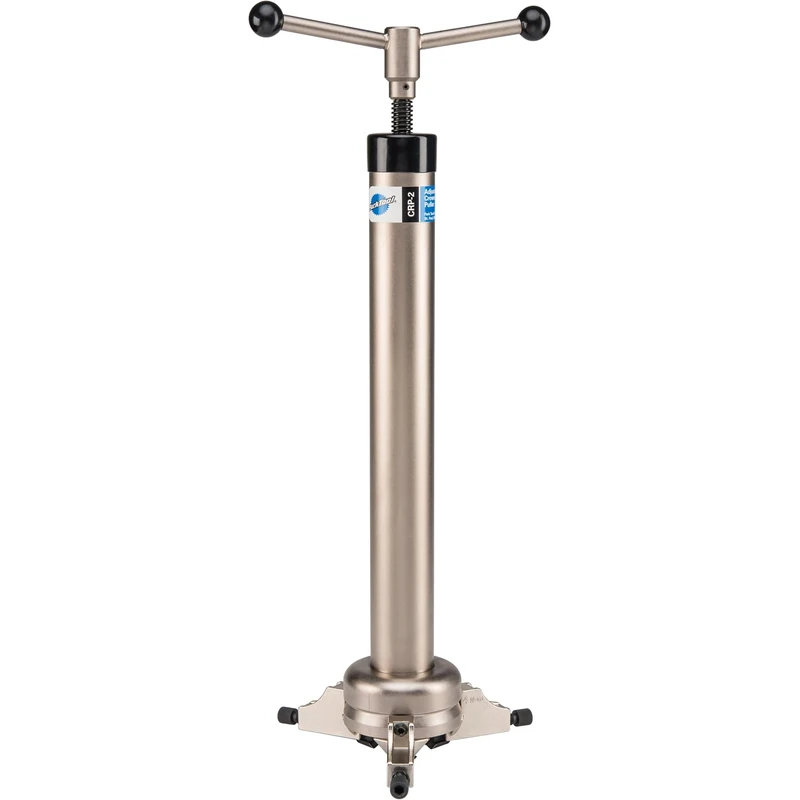
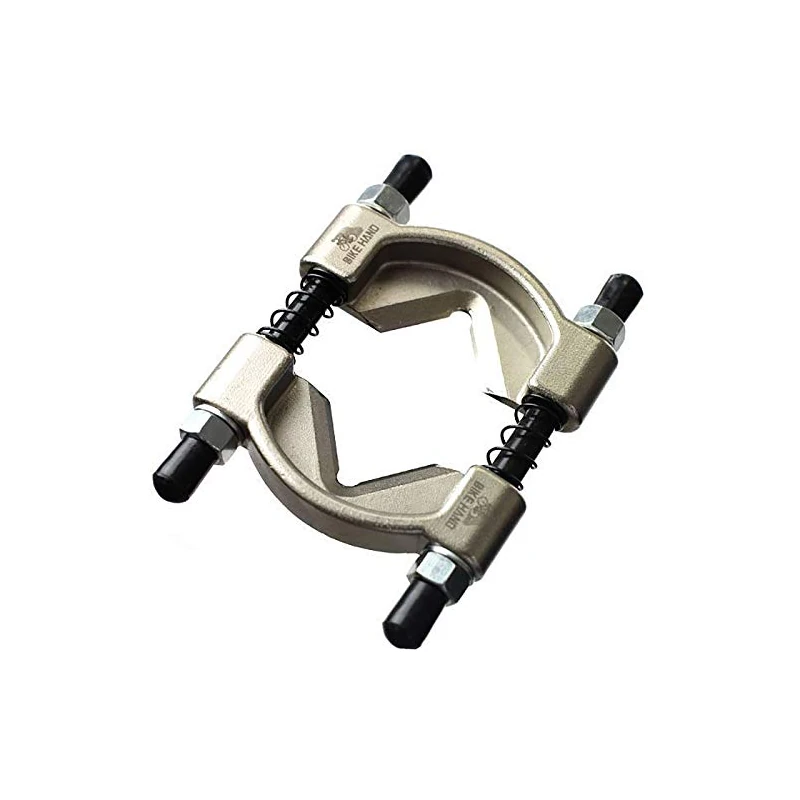
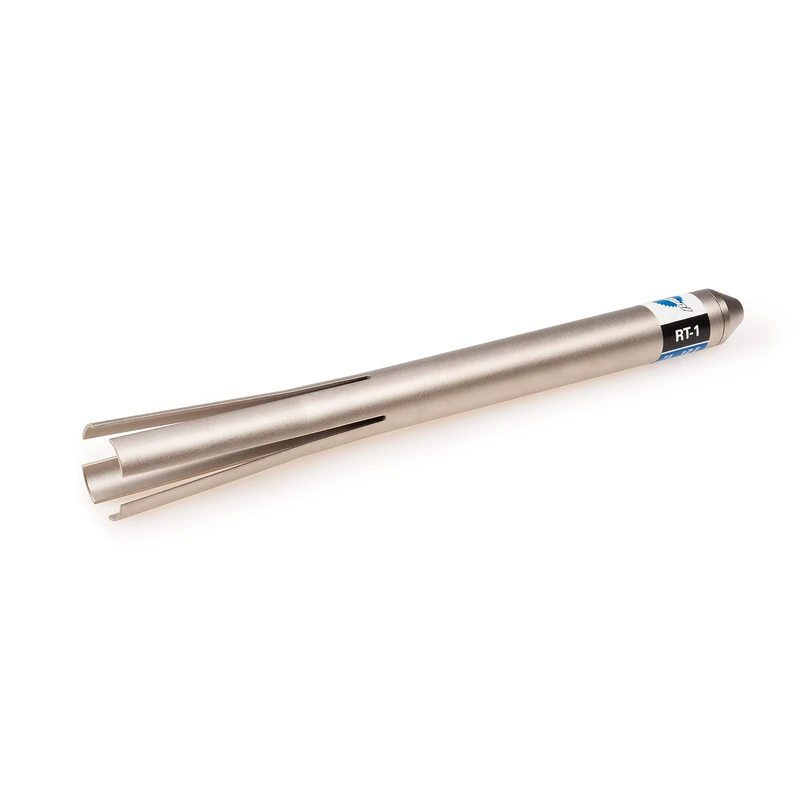
CRP-2 and BIKE HAND YC-1859 address crown-race removal at the fork. RT-1 instead engages supported cups from inside the frame. These contacts are different even though both jobs belong to headset service. Compare available access and the exact component scope, not just the nominal steerer label.
CRP-2 uses independently positioned blade contacts and carries a documented possibility of cosmetic scarring. That matters when surface condition affects your decision. A remover fitting the assembly is not a guarantee that every finish or damaged component can be preserved.
Choose Bearing, Crown-Race and Steerer Interfaces as a System ↗
Distinguish the press from the installation contacts
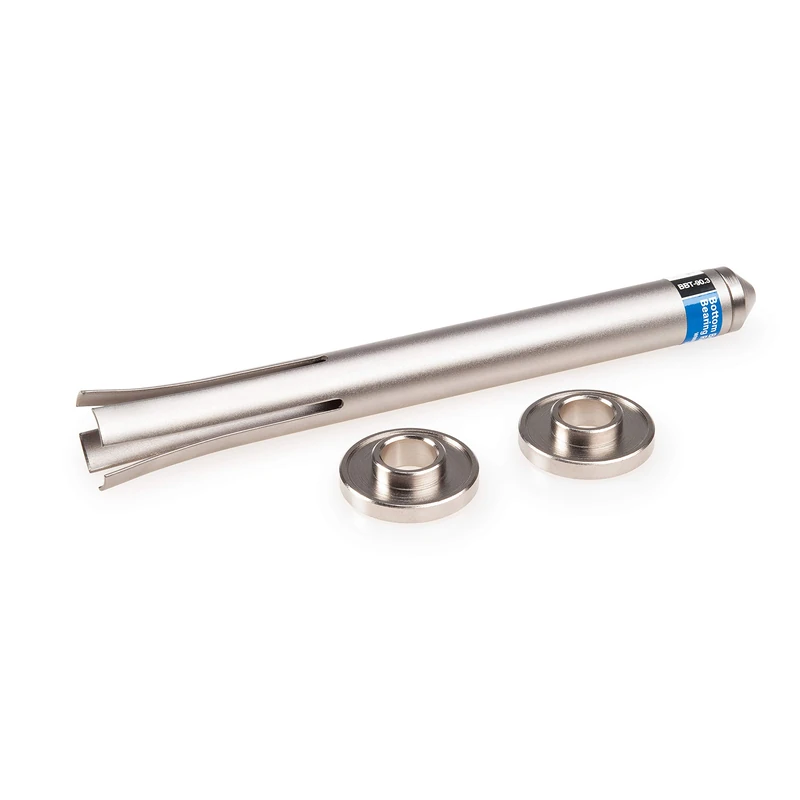
BBT-90.3 includes a supported press-fit bottom-bracket remover and two installation bushings. The bushings need separate pressing equipment; Park Tool identifies HHP-2 or HHP-3 for this role. Choose it when those exact removal and installation contacts match the bottom bracket.
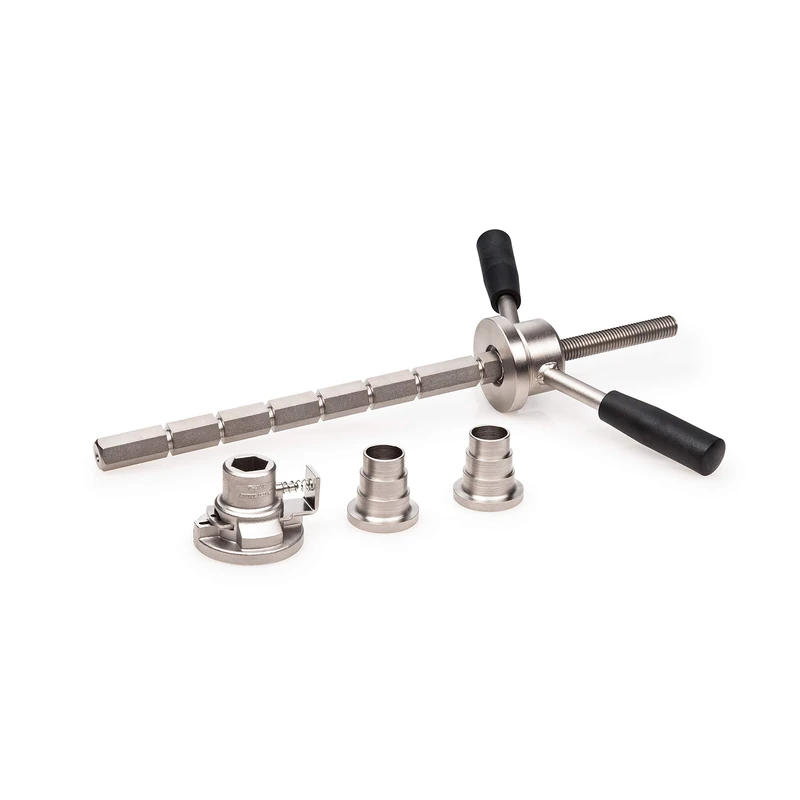
HHP-2 supplies the press assembly with stepped adapters and a stated maximum working length of 315 mm. The working span, adapter steps and component contacts are separate fit checks. For the documented BBT-90.3 combination, those extra bottom-bracket bushings are a separate purchase rather than an assumed part of the HHP-2 box.
Choose Bearing, Crown-Race and Steerer Interfaces as a System ↗
Choose axle support and cone access by the actual surface
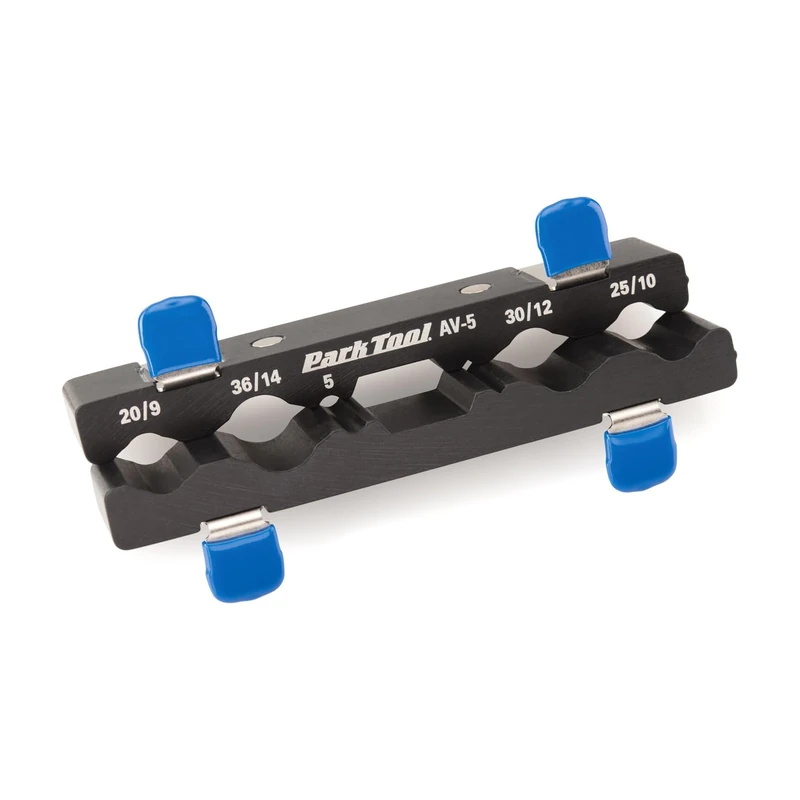
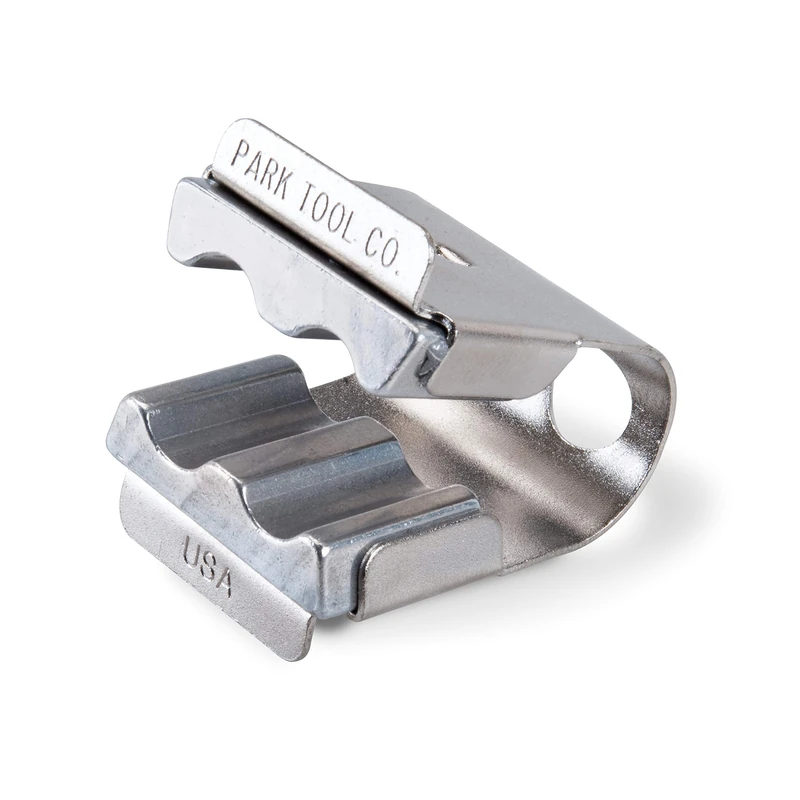
AV-1 and AV-5 are vise inserts for their named axle or spindle contacts. Compare the profile you need to hold with the existing vise arrangement. They provide support for a separate operation, rather than acting as bearing extractors.
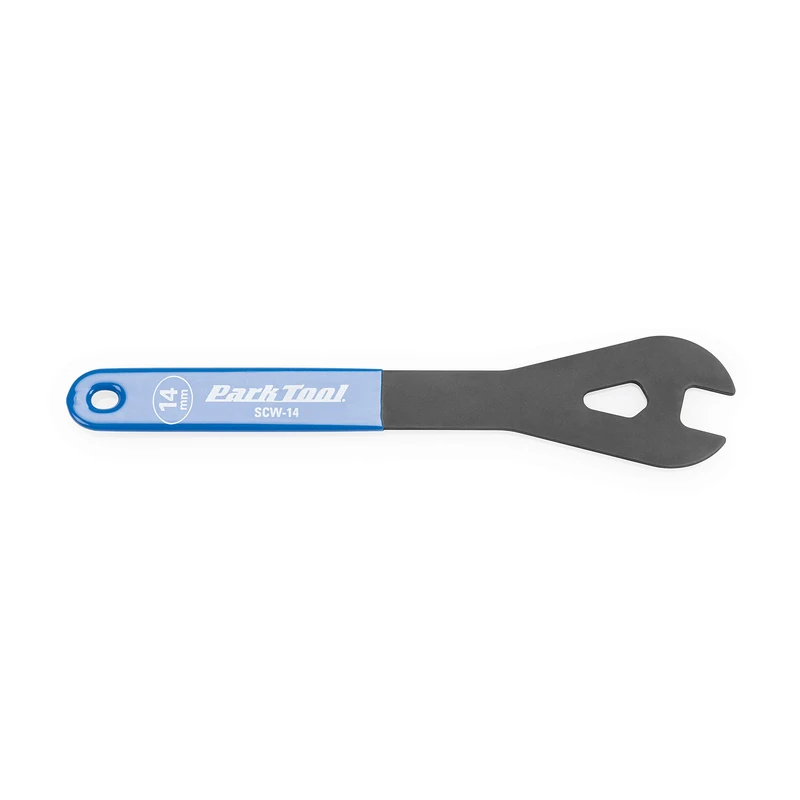
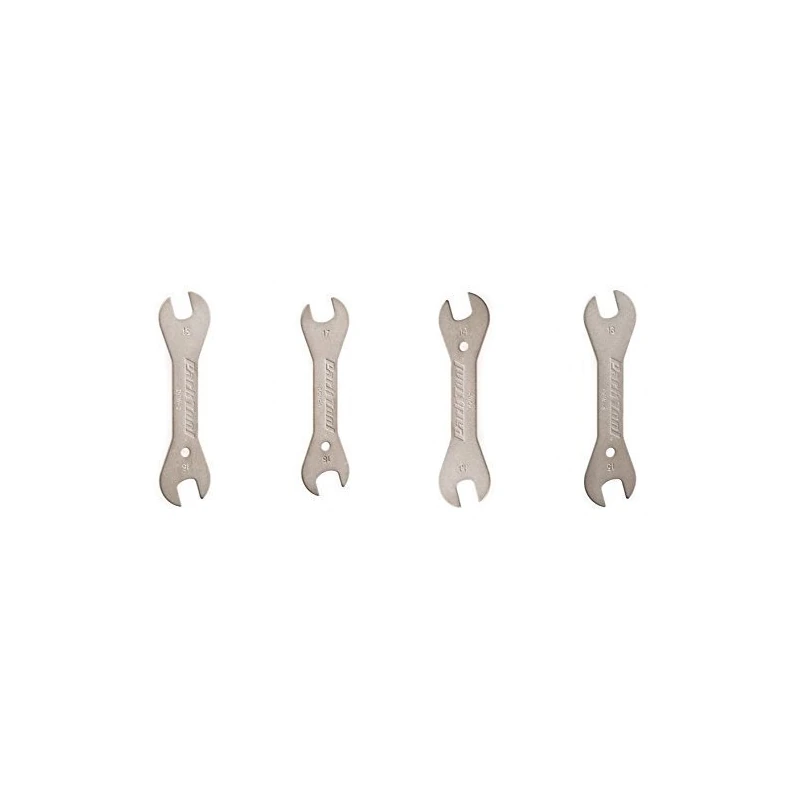
SCW-14 is one long-handled 14 mm cone wrench with a reinforced head. The seller’s DCW-1/2/3/4 bundle offers four compact double-ended tools with overlapping size pairings. Choose the SCW-14 for its dedicated handle and contact format, or compare the bundle when its actual combinations cover several hubs you maintain. Neither format should be selected as a general pedal or axle-nut wrench.
Match the Component Contact Before the Drive Handle ↗
Check access as well as the nominal size
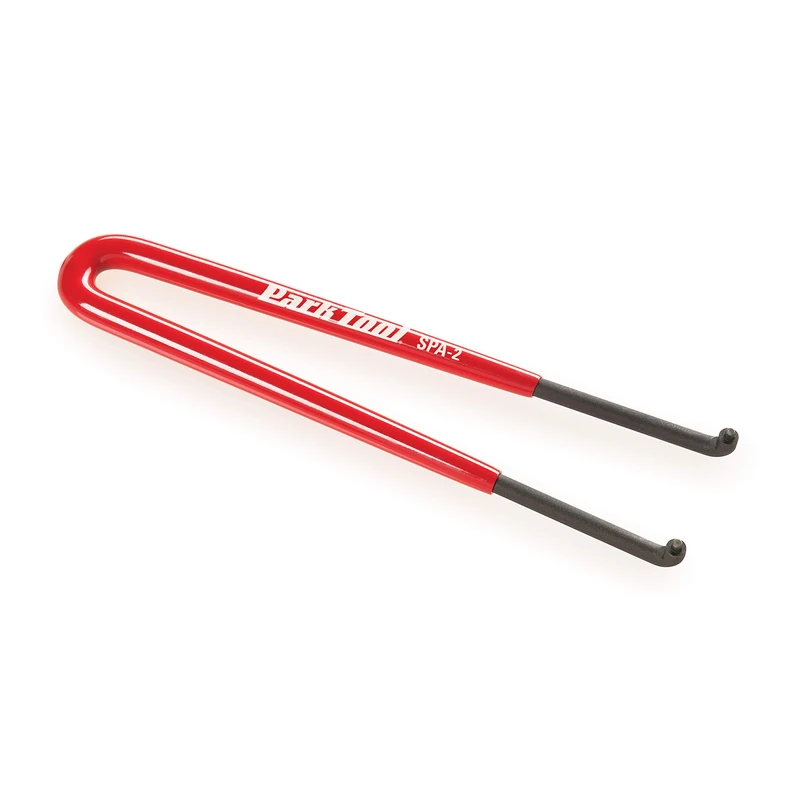
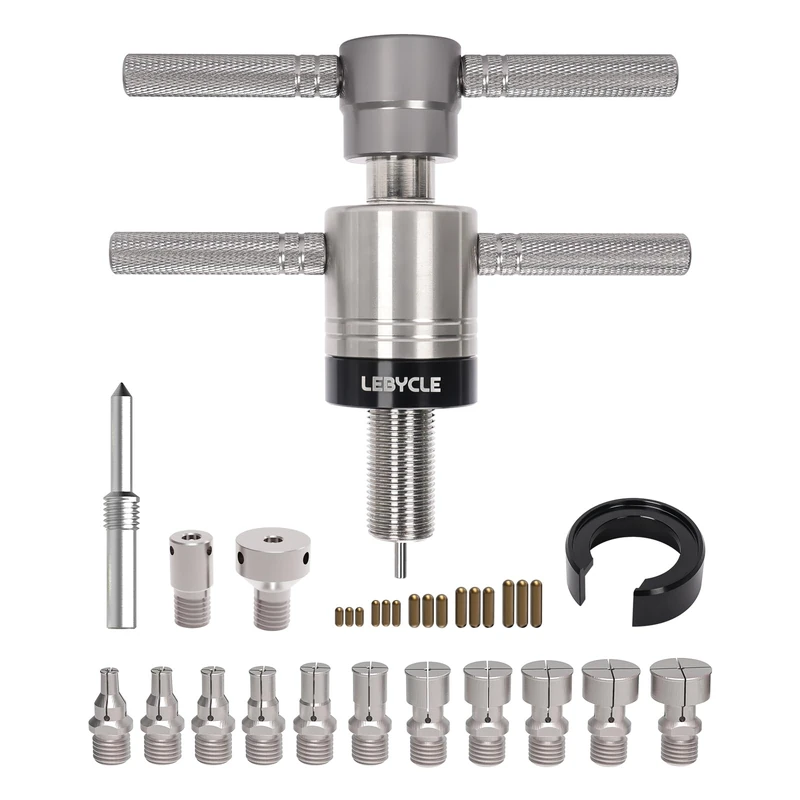
LEBYCLE TS-HBT-11 is a hub-bearing puller arrangement with seller-itemized contacts. Selection also depends on the access needed to assemble the supported arrangement; an inner diameter alone does not establish a complete extraction path. SPA-2 is a pin spanner for its supported hole-contact applications, a different tool from a cone wrench or puller.
Write down the component to be moved, the surface that may receive force, the access path and the missing actuator before ordering. If one of those is uncertain, a larger assortment is not a substitute for identifying it.
Choose Bearing, Crown-Race and Steerer Interfaces as a System ↗
Questions before you choose
Does BBT-90.3 include everything needed to press a bottom bracket in?
It supplies the remover and two installation bushings. A supported separate press is still required, and the component must fall within the documented scope.
Why is a steerer size insufficient when choosing a crown-race tool?
The tool must reach and engage the actual race or its installation surface. Compare the exact contact, surrounding clearance and fork service requirements as well as the nominal steerer label.
Does a long press fit every bearing job?
No. Working span is only one dimension. Appropriate adapters, force contacts, component access and the permitted service method must also match.
When should I choose SCW-14 rather than the DCW bundle?
When the dedicated long handle and reinforced 14 mm contact suit your job. The DCW bundle instead offers compact double-ended pairings; it is useful only if those actual sizes and access profiles match the hubs you maintain.
Continue your selection
Buying guide ↗Choose Bearing, Crown-Race and Steerer Interfaces as a System
Separate removal from installation, identify the force contact and check which press, drift or guide is actually supplied.
Buying guide ↗Match the Component Contact Before the Drive Handle
Separate the surface that touches the bicycle from the interface that accepts your wrench, then check access and any required retaining accessory.
Buying guide ↗Check Specialist Frame-Tool Scope Before Buying
Distinguish diagnosis, permitted correction and material removal, then compare the actual stock cutters, pilots, sockets and taps.
Buying guide ↗Choose Hub Support, Cone Wrenches and Bearing Contacts
Match the workholding surface, adjusting flats or extraction contact before treating an axle insert, cone wrench and puller as one tool family.
Compare the exact component and selected offer with its maker’s requirements. These are buying comparisons, not a hands-on repair test.