Choosing within this department
Crank & bottom-bracket tools
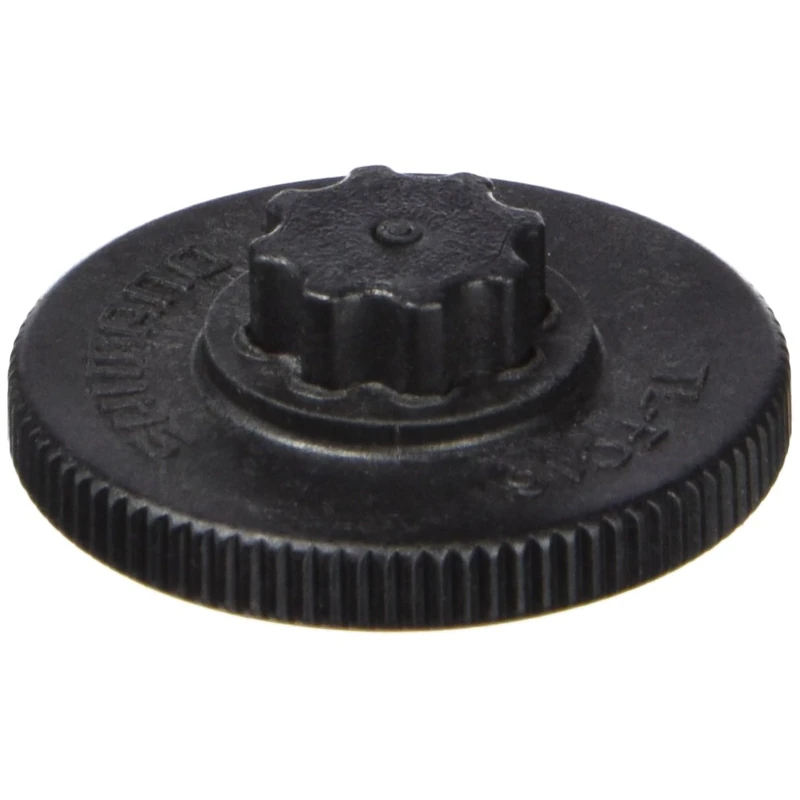
A crank puller removes an arm; a cup socket engages the bottom bracket; a small cap tool addresses a different adjustment fitting. Identify the parts of the job you actually need to perform before choosing a tool. This range separates component contact from the handle or drive used to turn it.
Compare a handled puller with interchangeable contact feet
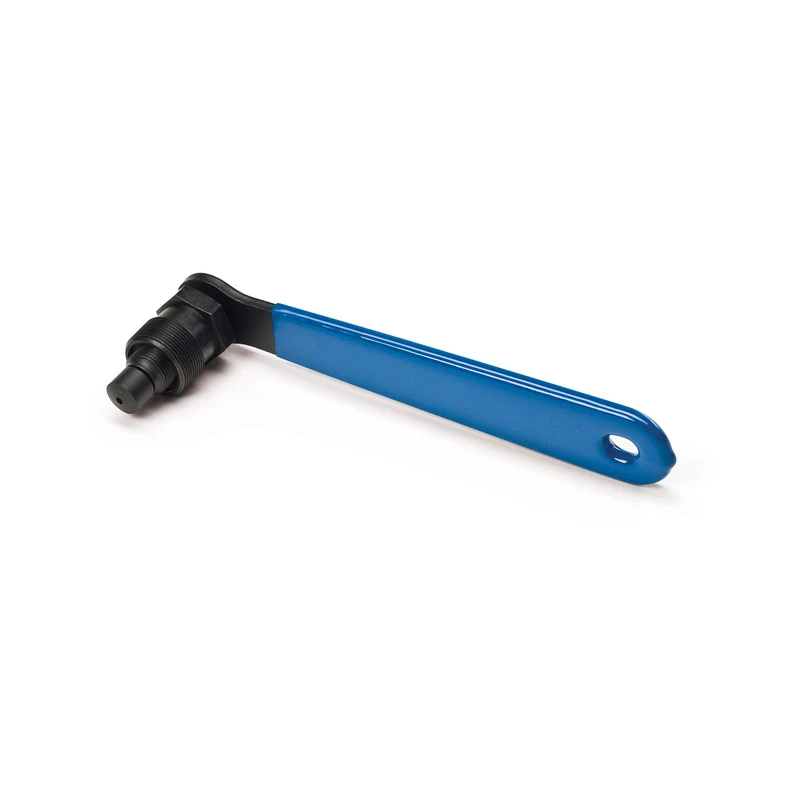
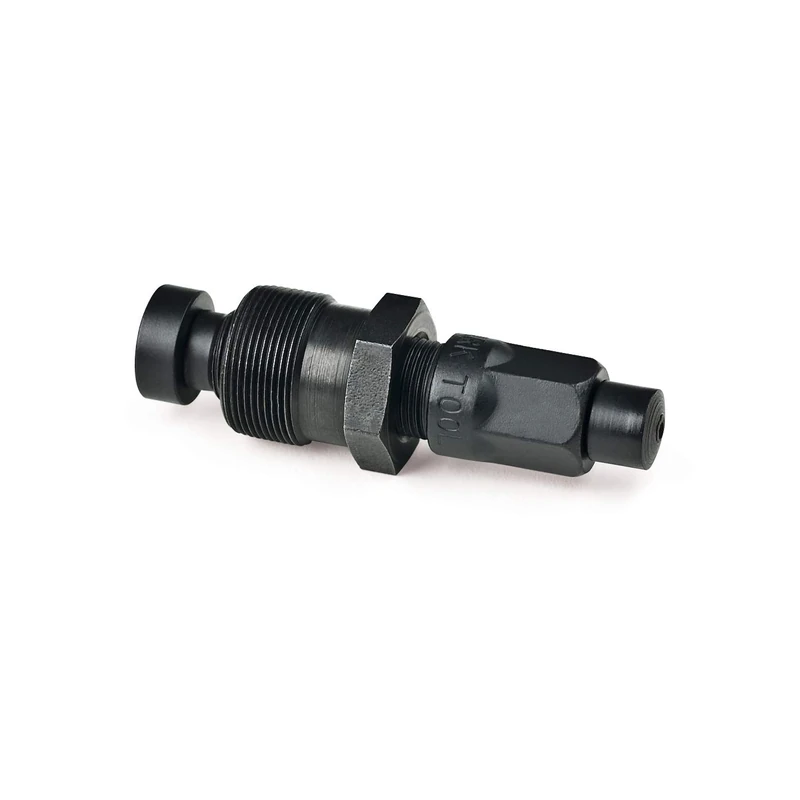
CCP-22 includes a long handle for its supported crank-extraction applications. CWP-7 is compact and uses a separate driving wrench, with two rotating feet for different supported spindle contacts. Both require the specified extractor threads in the crank arm; neither fits a crank just because it is described as splined.
CWP-7’s small and large feet make it worth comparing for a workshop maintaining both the named square-taper and ISIS or Octalink applications. If only CCP-22’s supported systems are needed, its integrated handle may be the more relevant difference. The crank-bolt removal tool is a separate requirement.
Match the Component Contact Before the Drive Handle ↗
Match notches, diameter and spindle clearance
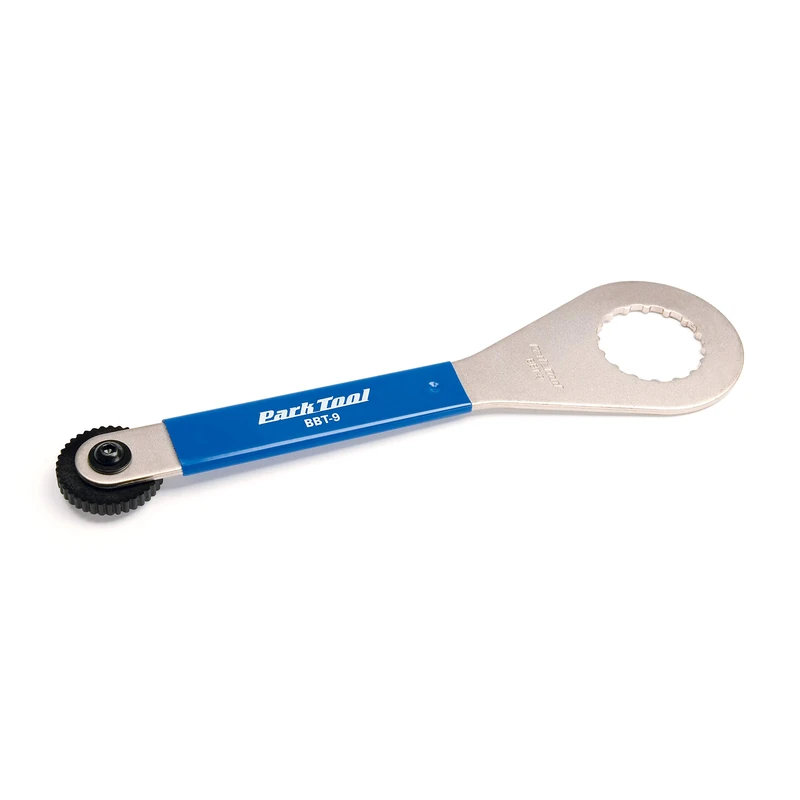
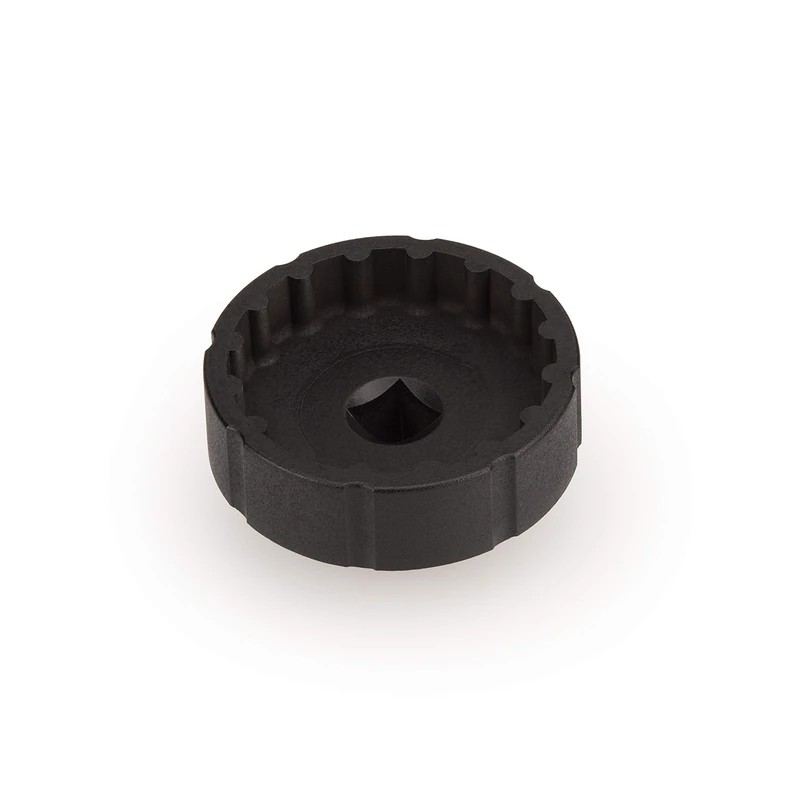
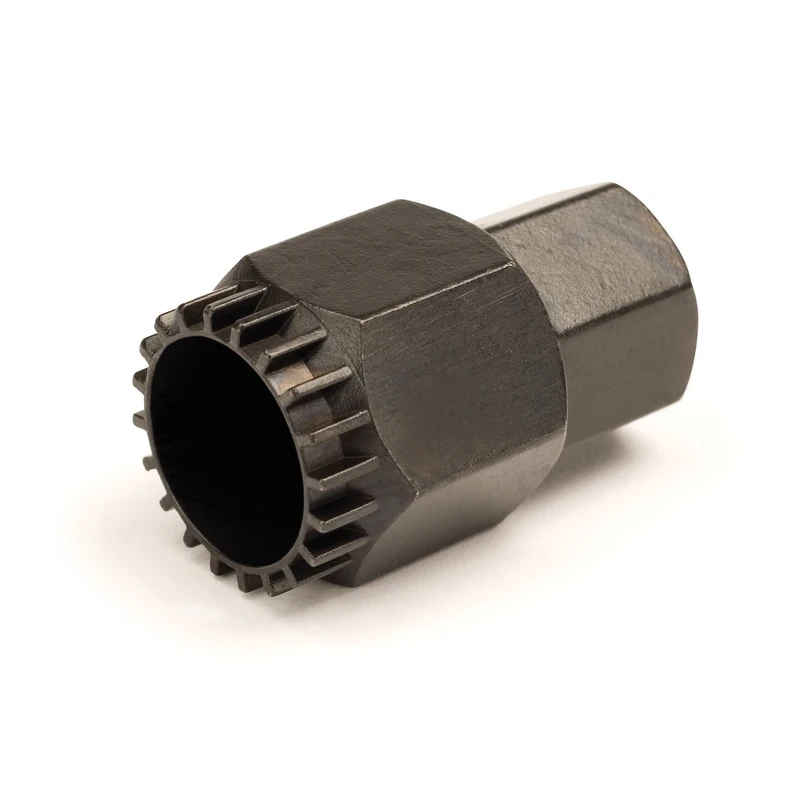
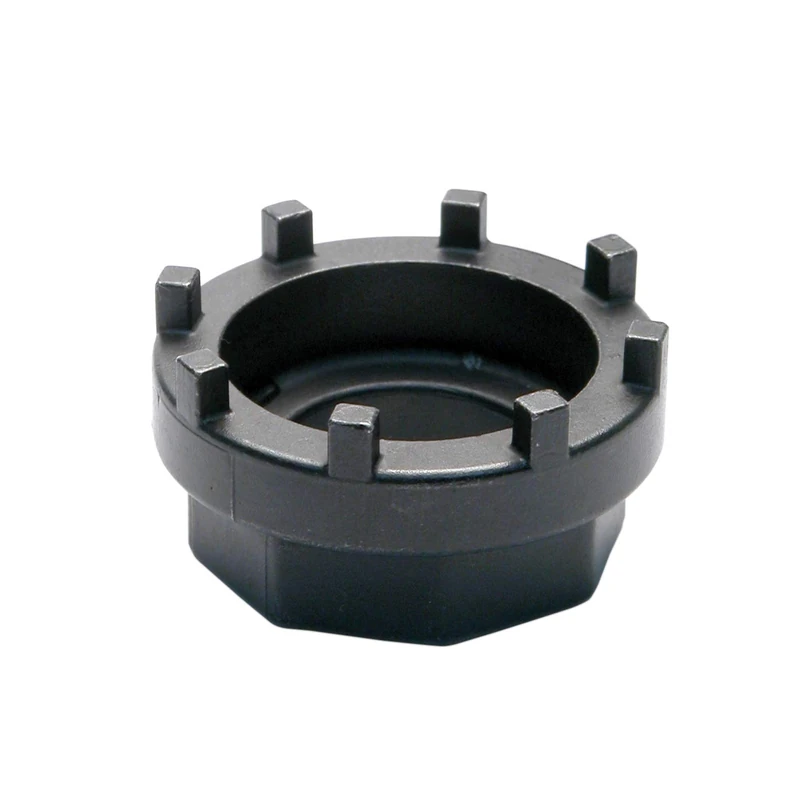
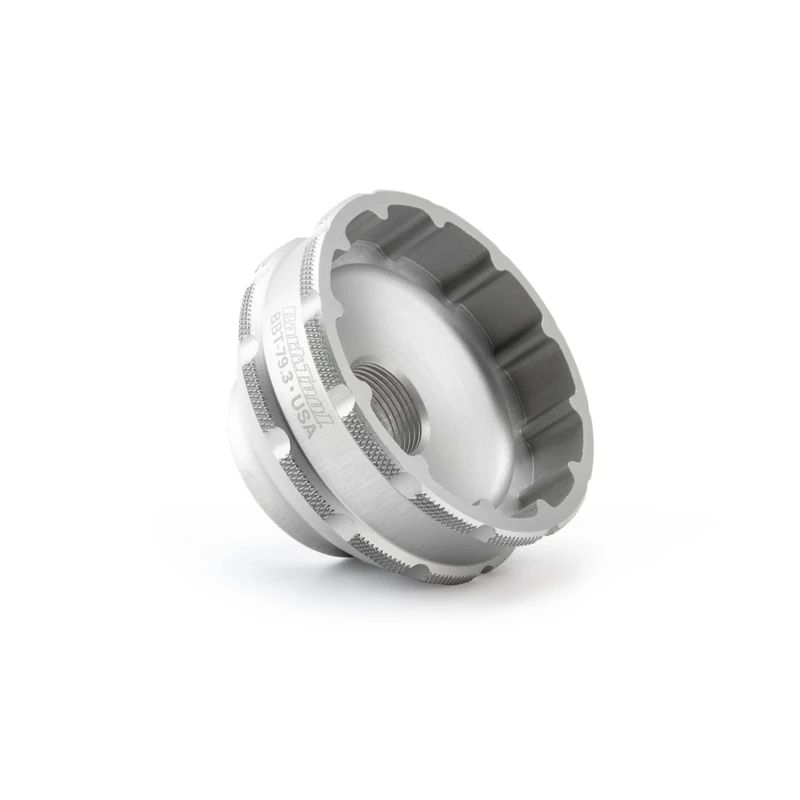
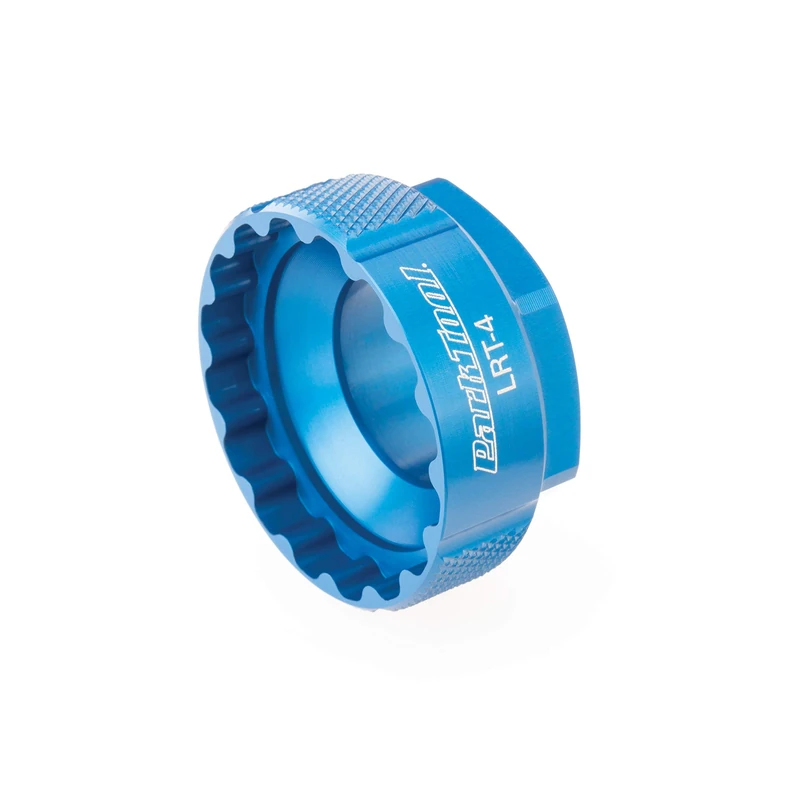
BBT-9 and BBT-19.2 share the 16-notch, 44–45 mm major-diameter cup-contact family, but one is handled and the other is a socket. BBT-9 also has a Shimano adjusting-cap contact. BBT-19.2 accepts a separate manual driver, including a suitable torque wrench, and excludes shallow rotor-lockring use.
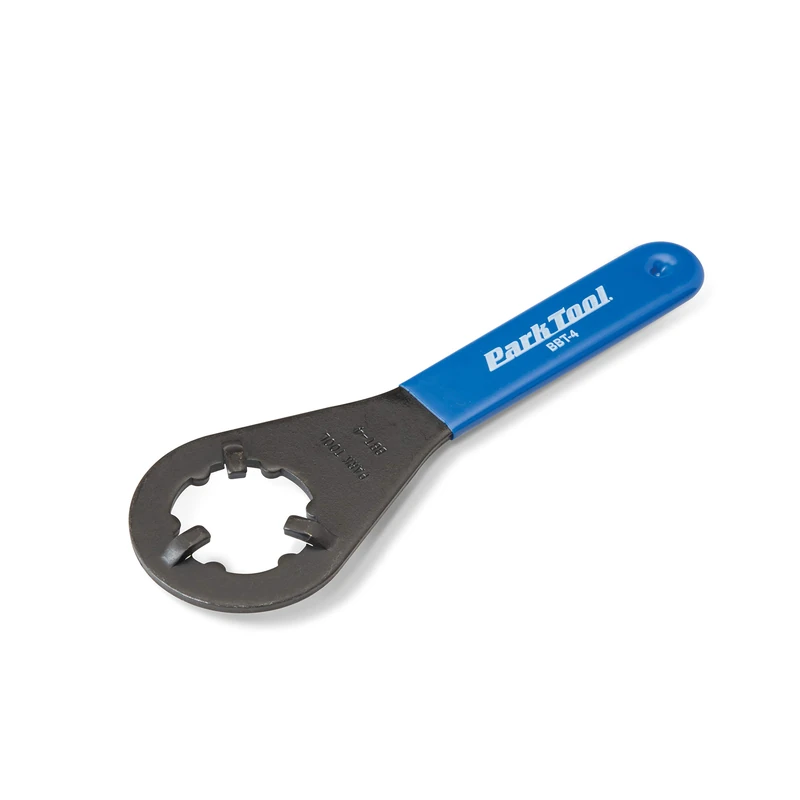
BBT-22 instead addresses a 20-spline cartridge fitting. Its 32 mm component-contact dimension is not the size of the wrench flats: it uses a 3/8-inch square drive or one-inch external flats. Other tools here, including BBT-18, BBT-4 and BBT-79.3, have their own contacts. A familiar brand or a spline count without the rest of the geometry is insufficient.
Match the Component Contact Before the Drive Handle ↗
Plan the driver and retention separately
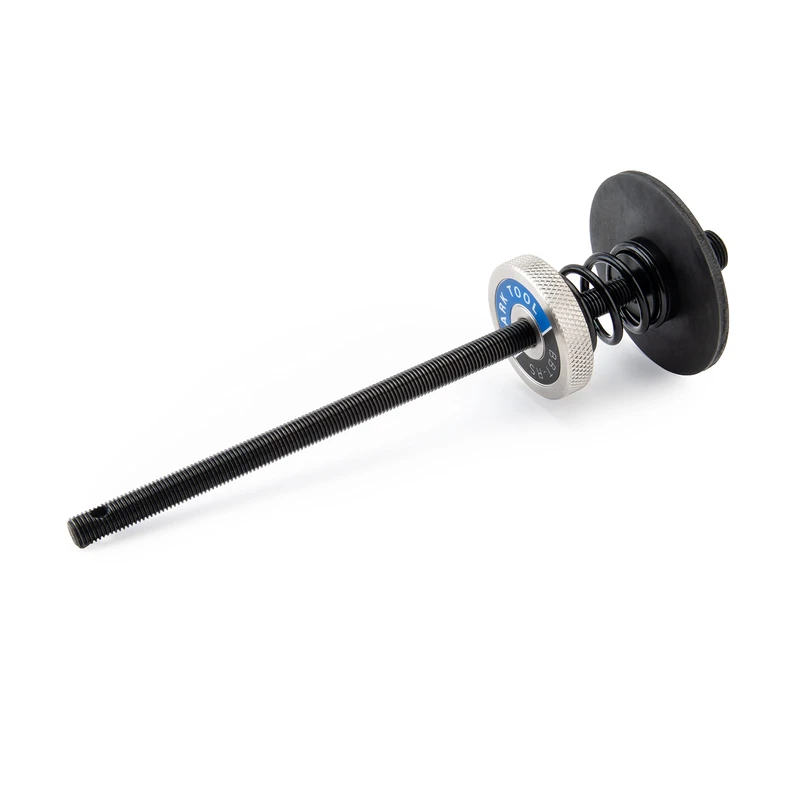
BBT-RS is a retaining system for documented tool and component combinations, rather than a replacement cup socket. It helps complete a supported arrangement only when the cup tool, spindle and retention interfaces all match. Do not assume it comes with every socket photographed beside it.
A matching square drive does not authorize an impact driver, establish the component’s torque setting or guarantee access around the frame. Check the selected tool’s permitted actuation and the component maker’s service requirements before adding a ratchet or torque wrench.
Match the Component Contact Before the Drive Handle ↗ · Choose a Torque Range, Indication and Usable Bit Set ↗
Questions before you choose
Does a crank puller remove the bottom bracket too?
No. A puller separates a supported crank arm from its spindle. The cup or cartridge then needs its own matching tool.
Why compare BBT-9 and BBT-19.2 if their cup fitting is related?
BBT-9 supplies a handle and an adjusting-cap contact. BBT-19.2 is a socket for separate manual driving equipment and has different permitted applications, including a shallow rotor-lockring exclusion.
Which size on BBT-22 tells me what wrench to supply?
Its one-inch external flats or 3/8-inch square drive describe the driver. The 32 mm dimension refers to the component contact.
Is a retaining accessory worth buying with any bottom-bracket socket?
Only when its documented interfaces match the exact socket and component. BBT-RS is not a universal socket or a substitute for checking the cup profile.
Continue your selection
Buying guide ↗Match the Component Contact Before the Drive Handle
Separate the surface that touches the bicycle from the interface that accepts your wrench, then check access and any required retaining accessory.
Buying guide ↗Choose Chain-Service Tools and Drivetrain Counterholds
Build a tool list from the chain operation and sprocket fitting, separating wear checking, rivet driving, link operation and cassette restraint.
Buying guide ↗Choose a Torque Range, Indication and Usable Bit Set
Compare measuring range, direction and fastener access before judging a set by bit count or a ratchet-strength figure.
Buying guide ↗Choose Crank Pullers, Cap Tools and Bottom-Bracket Contacts
Separate arm extraction, cap adjustment, cup engagement and counterholding to buy the contacts your actual drivetrain needs.
Buying guide ↗Choose Hub Support, Cone Wrenches and Bearing Contacts
Match the workholding surface, adjusting flats or extraction contact before treating an axle insert, cone wrench and puller as one tool family.
Compare the exact component and selected offer with its maker’s requirements. These are buying comparisons, not a hands-on repair test.