Choosing within this department
Chain, cassette & freewheel tools
Chain service includes several different jobs: checking wear, driving a rivet, operating a master link and removing rear sprockets. Choose the operation first. Then match the exact chain construction or sprocket fitting, so a compact tool or a large workshop kit adds the function your equipment is missing.
Choose the chain operation before the handle size
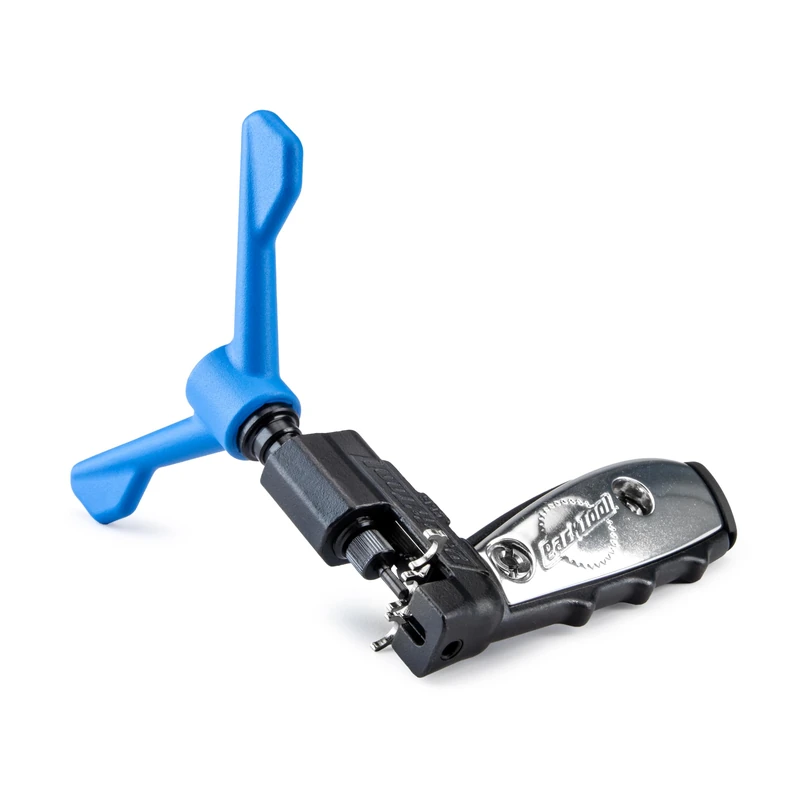
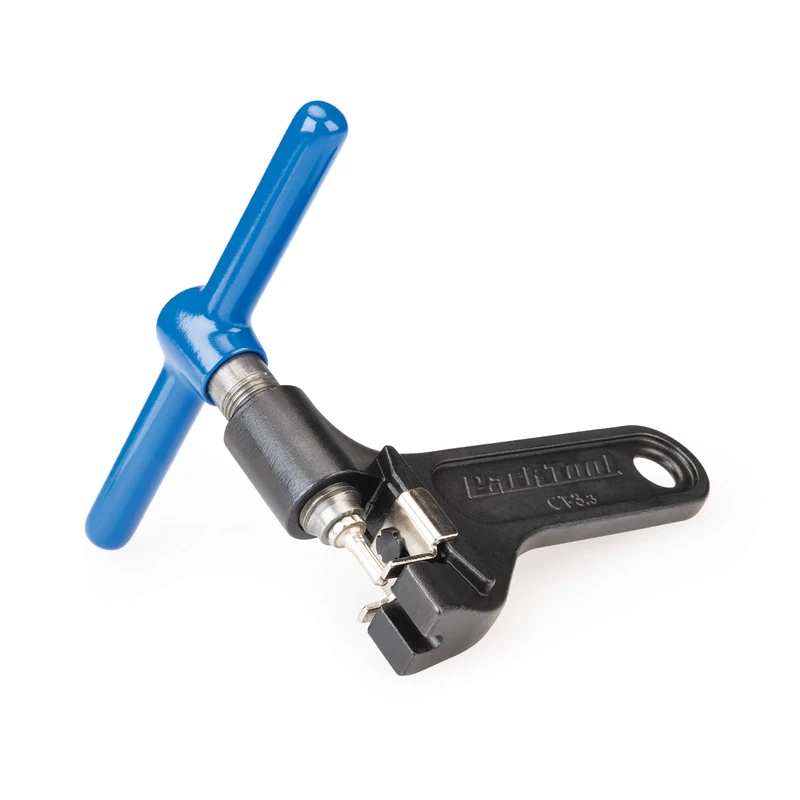
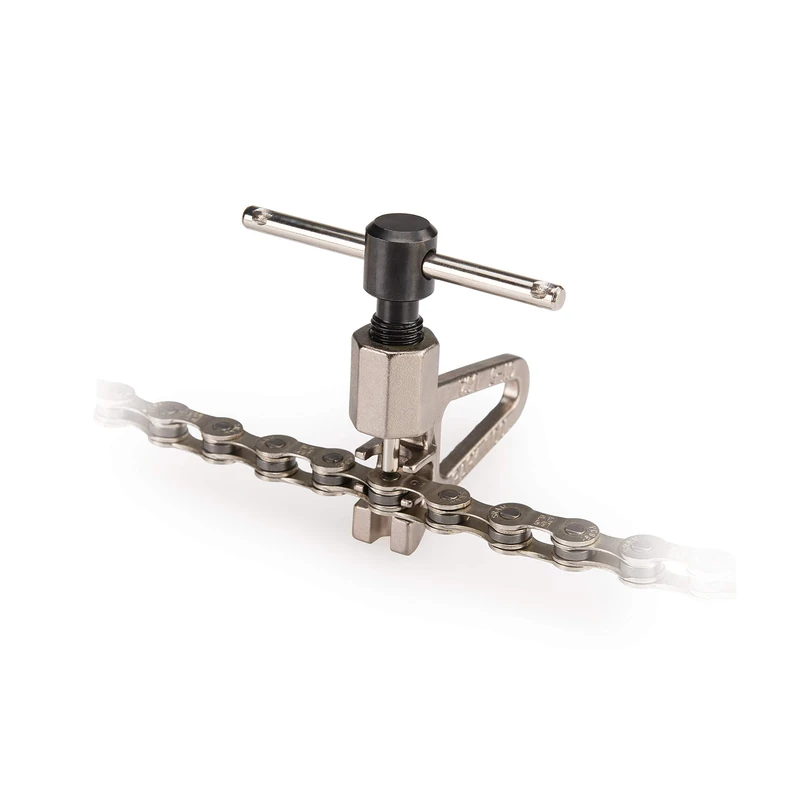
The CT-15, CT-3.3 and compact CT-5 are rivet-driving tools with different documented chain scopes. The CT-15 also has a removable peening anvil for the named Campagnolo joining applications. That extra joining function can matter more than overall tool size; do not assume that another chain tool performs it simply because it accepts a chain of the same speed.
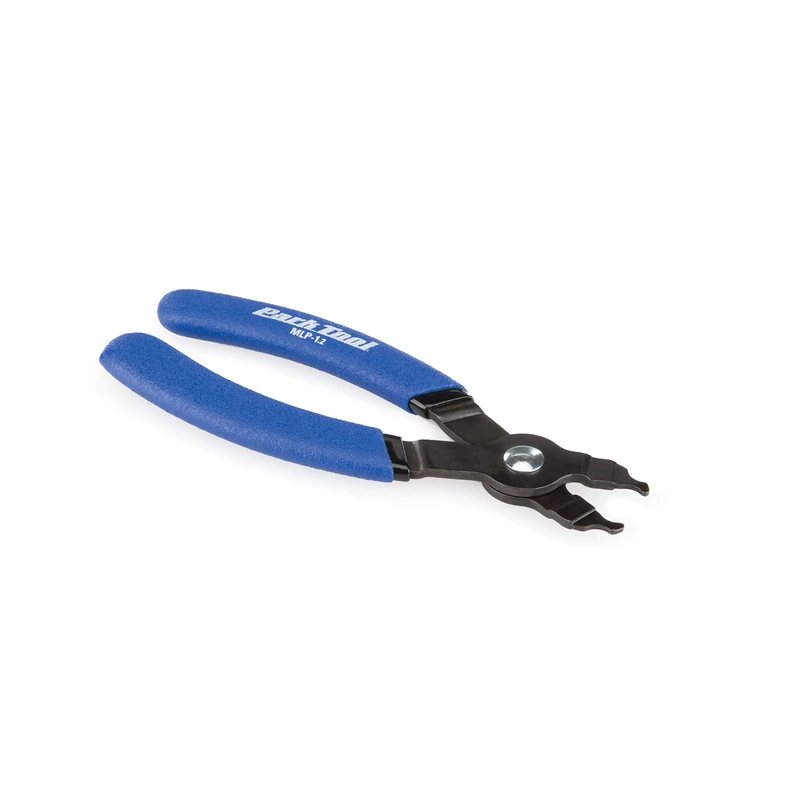
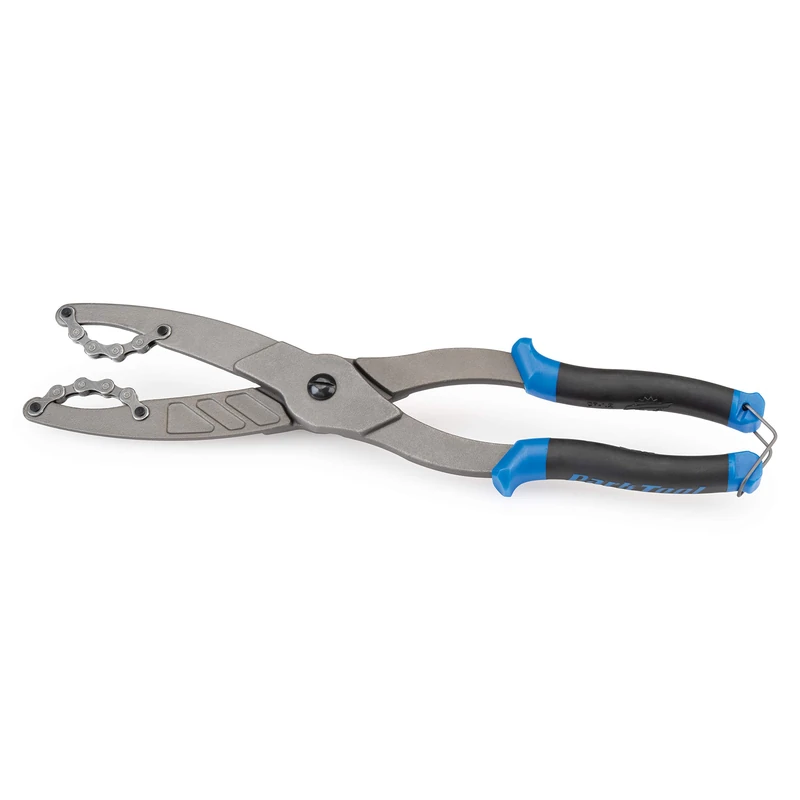
MLP-1.2 pliers address master-link opening and closing. They complement a rivet driver used for chain sizing rather than replacing it. Confirm the chain maker’s joining method and whether a pin or link may be reused before deciding what must be in the tool kit.
Choose Chain-Service Tools and Drivetrain Counterholds ↗
Identify a cassette lockring or a threaded freewheel
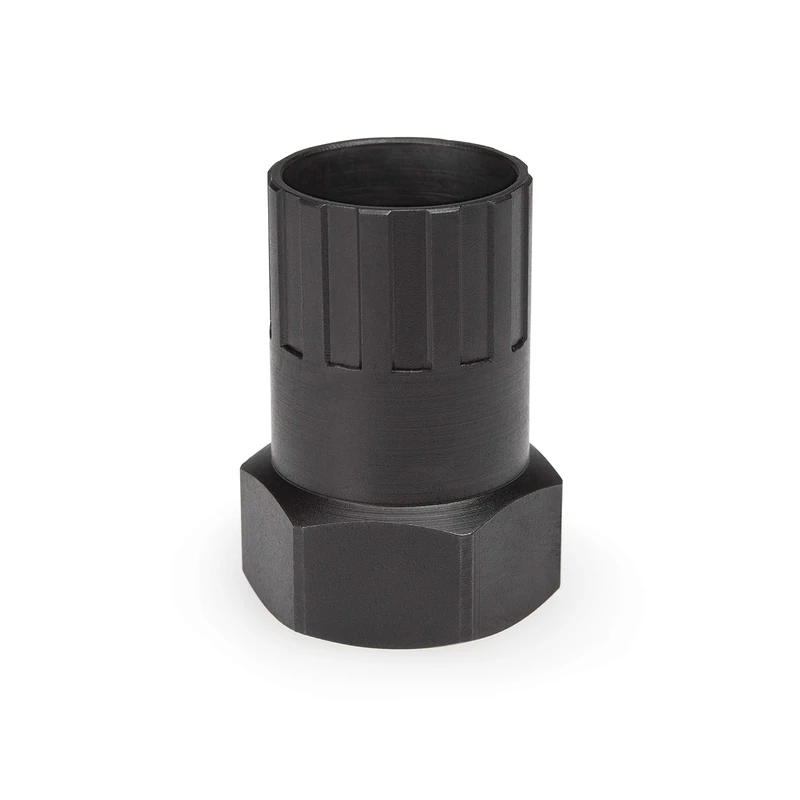
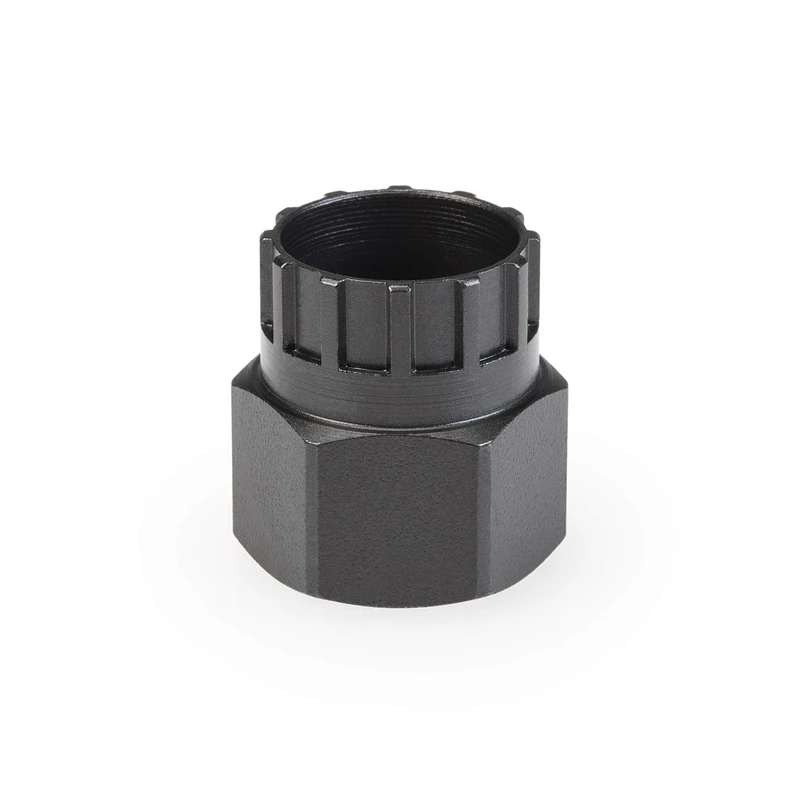
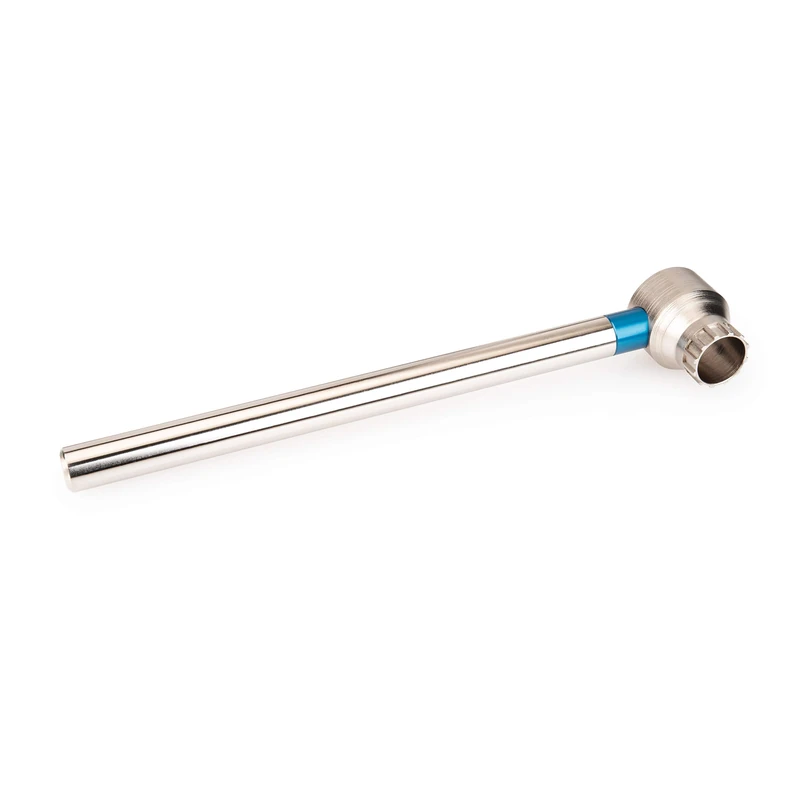
The FR-5.2 socket and FR-5.2H handled tool address the same lockring-contact family. The handled format reduces the separate driving equipment needed; it does not create a different cassette standard. Compare their clearance and driving arrangements with the actual axle and lockring.
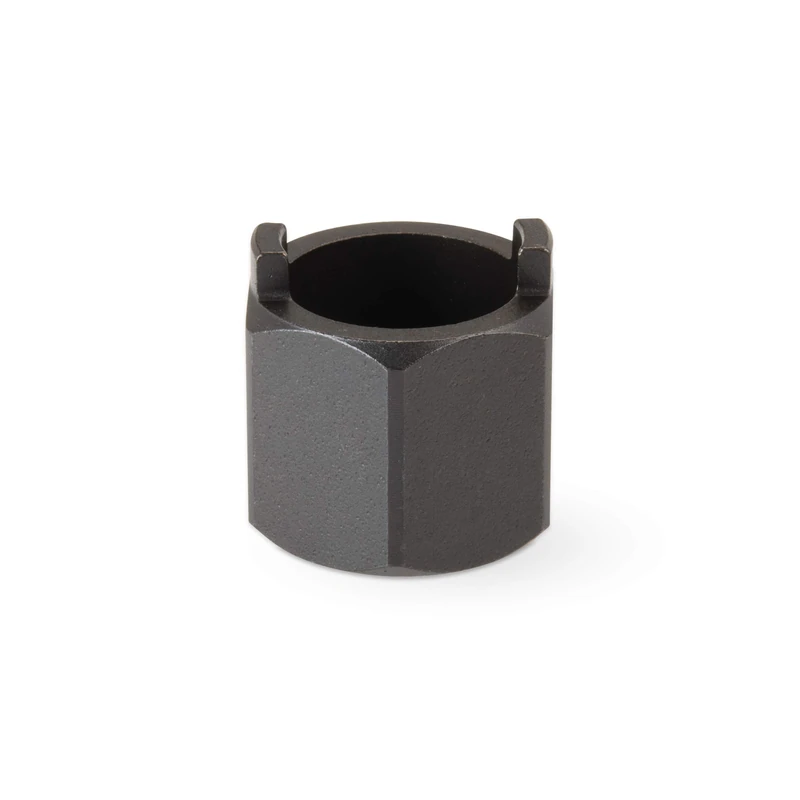
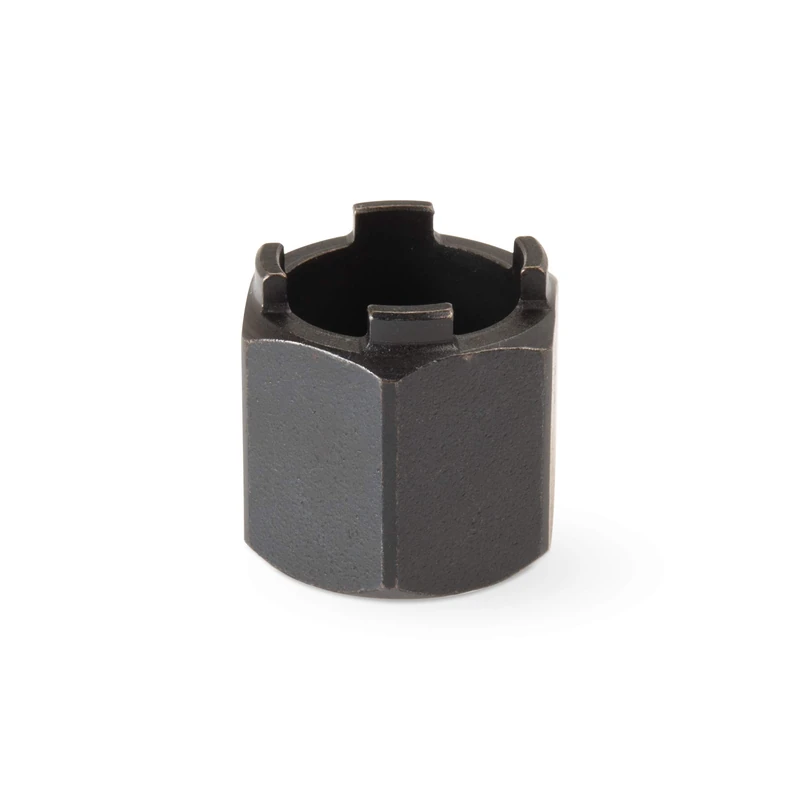
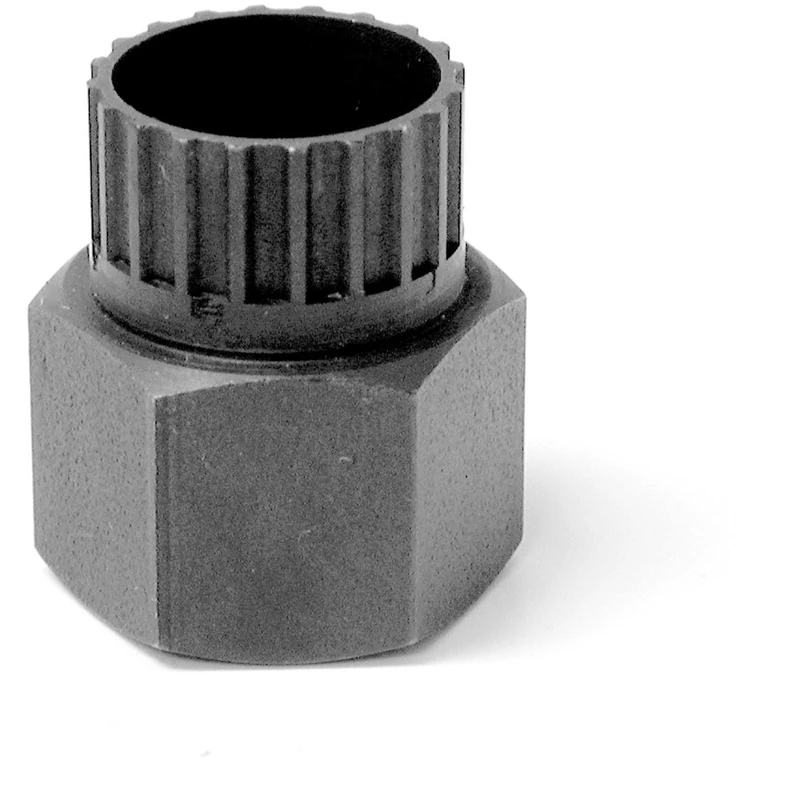
Freewheel removers are selected by their own engagement. FR-1.3, two-notch FR-2, four-notch FR-3 and legacy 20-spline FR-4 are not alternatives to choose by rear-sprocket brand alone. Count and identify the actual splines or notches and check center clearance before buying.
Match the Component Contact Before the Drive Handle ↗
Add a counterhold for the separate restraint job
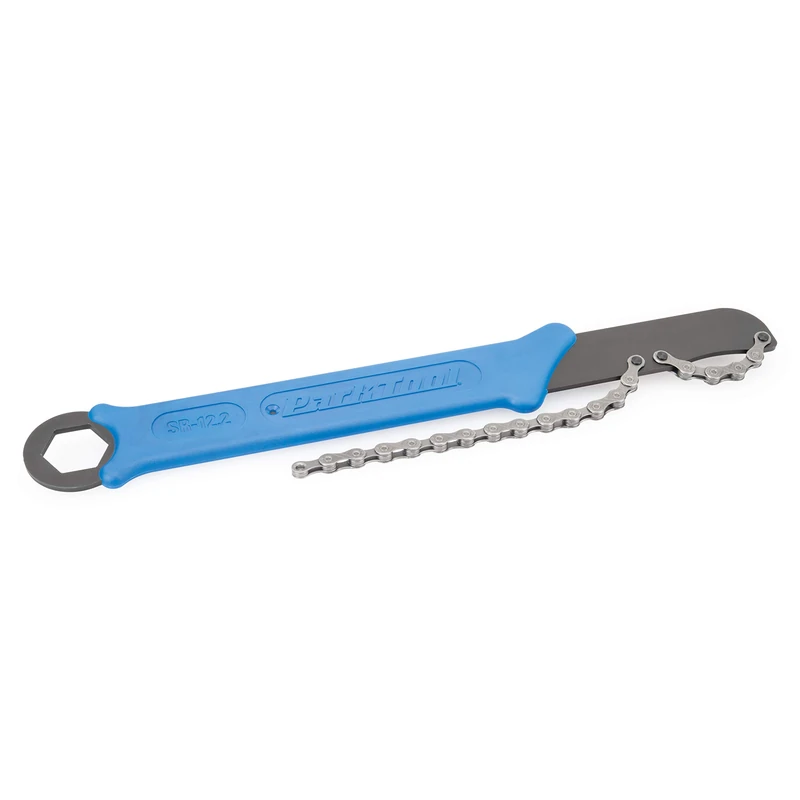
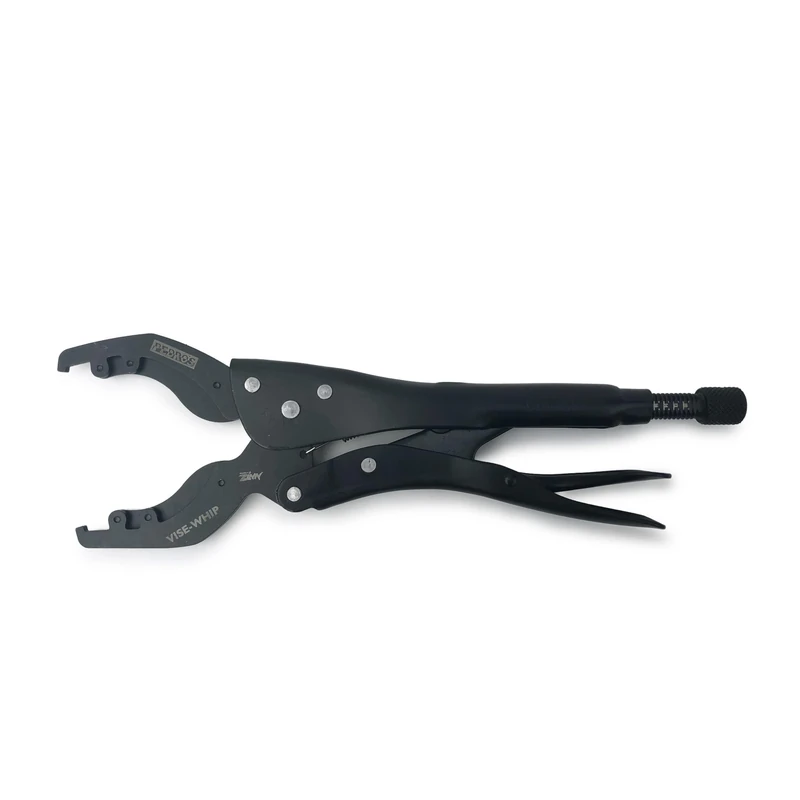
The SR-12.2 chain whip, CP-1.2 cassette pliers and Pedro’s Vise Whip II provide different ways to restrain a supported cassette while a separate lockring tool is used. Compare their actual sprocket scope and holding mechanism. A locking counterhold is not a lockring remover, and its presence does not establish compatibility with every sprocket shape.
If you already own a suitable remover and handle, the counterhold may be the only missing purchase. If you own neither, plan both contacts rather than choosing the largest-looking tool and expecting it to do both jobs.
Choose Chain-Service Tools and Drivetrain Counterholds ↗
Choose a checker by the reading and supported chain
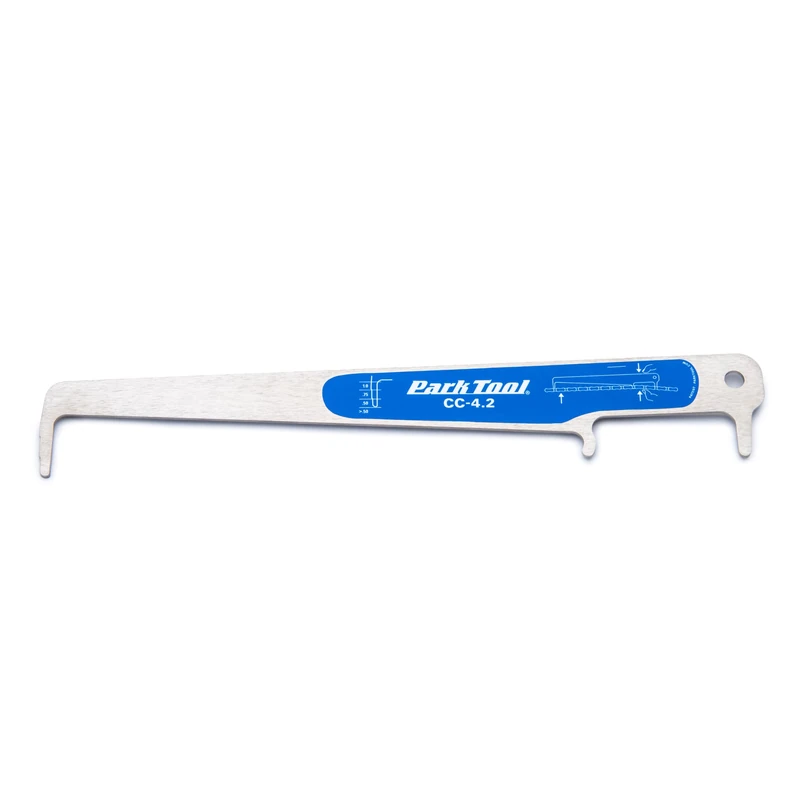
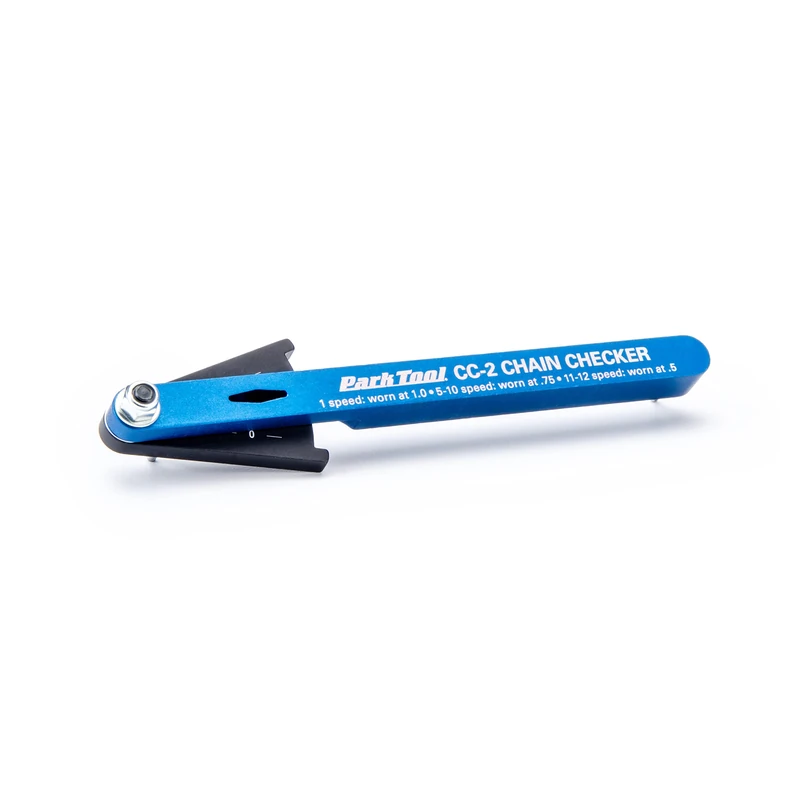
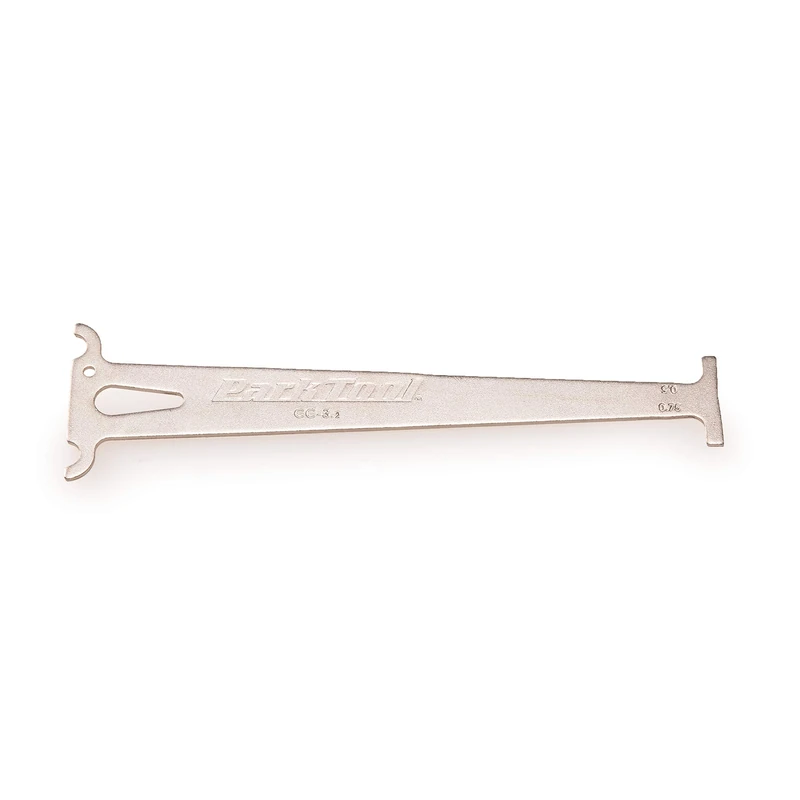
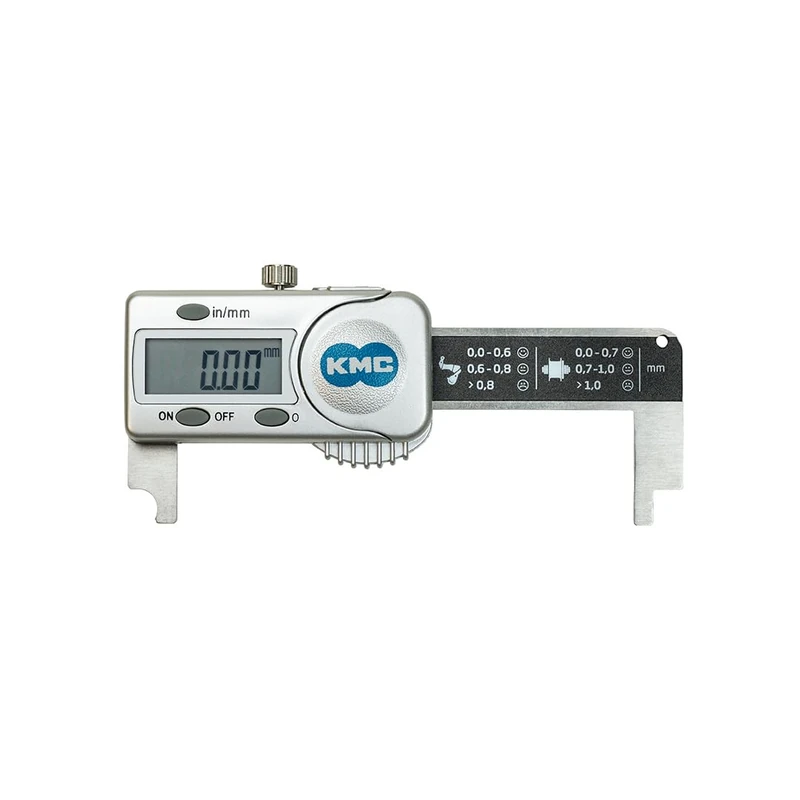
CC-4.2 uses three contact points, CC-2 provides a mechanical indicator, CC-3.2 has fixed checking positions, and KMC TL00011 has a digital display. These differ in how they contact and report the chain; a digital display alone does not establish better accuracy or suitability for your chain.
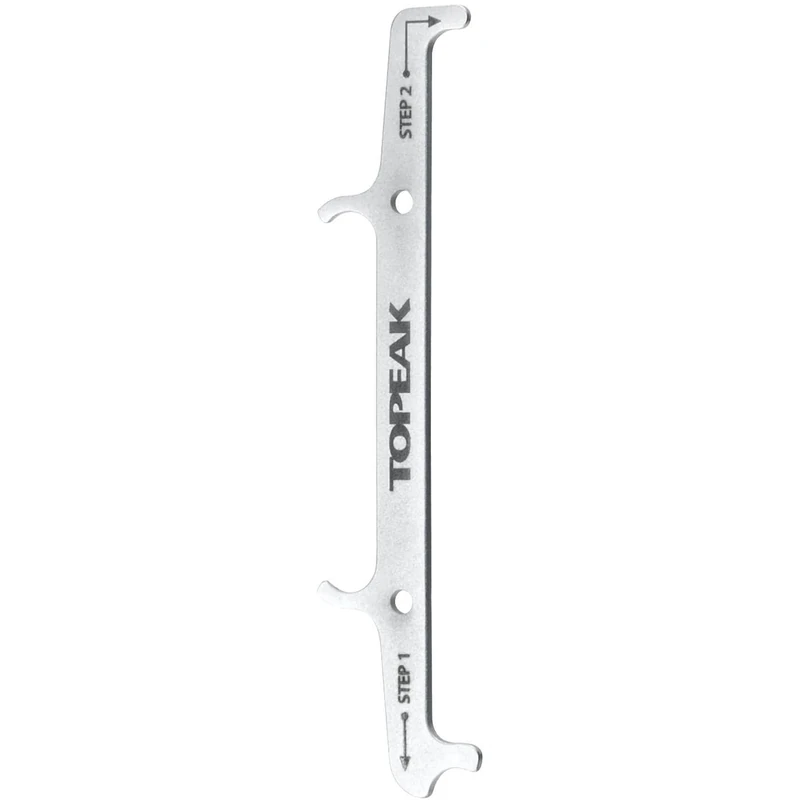
Use the chain maker’s applicable replacement guidance with the checker’s instructions. The Topeak TPS-SP09 combines a chain hook with an indicator labeled 0.8 mm: that dimension must not be read as a universal 0.8 percent replacement rule.
Choose Chain-Service Tools and Drivetrain Counterholds ↗
Questions before you choose
Can master-link pliers shorten a new chain?
MLP-1.2 operates a master link. Chain sizing by rivet removal needs a suitable chain tool and the chain maker’s joining instructions.
When does the handled FR-5.2H add value?
When its contact and clearance match the job and you prefer an integrated handle rather than supplying a separate driver. It is not a new lockring standard compared with the FR-5.2.
Do cassette pliers replace the lockring socket?
No. CP-1.2 restrains supported sprockets; the lockring is turned with a separate matching tool. Compare both contacts for the planned job.
Should I buy a digital chain checker for every drivetrain?
Compare the exact supported chain and the reading procedure first. Digital, fixed and mechanical displays do not by themselves establish accuracy or a universal replacement threshold.
Continue your selection
Compare the exact component and selected offer with its maker’s requirements. These are buying comparisons, not a hands-on repair test.